
Max. Elevation









The forests become thinner. The villages disappear behind you. The air becomes colder, and the mountains that once seemed far away now stand directly in front of you.
Passing through Machhapuchhre Base Camp, you enter the Annapurna Sanctuary — a vast natural amphitheatre surrounded by some of Nepal's most impressive peaks.
And then you reach Annapurna Base Camp at 4,130 m / 13,550 ft.
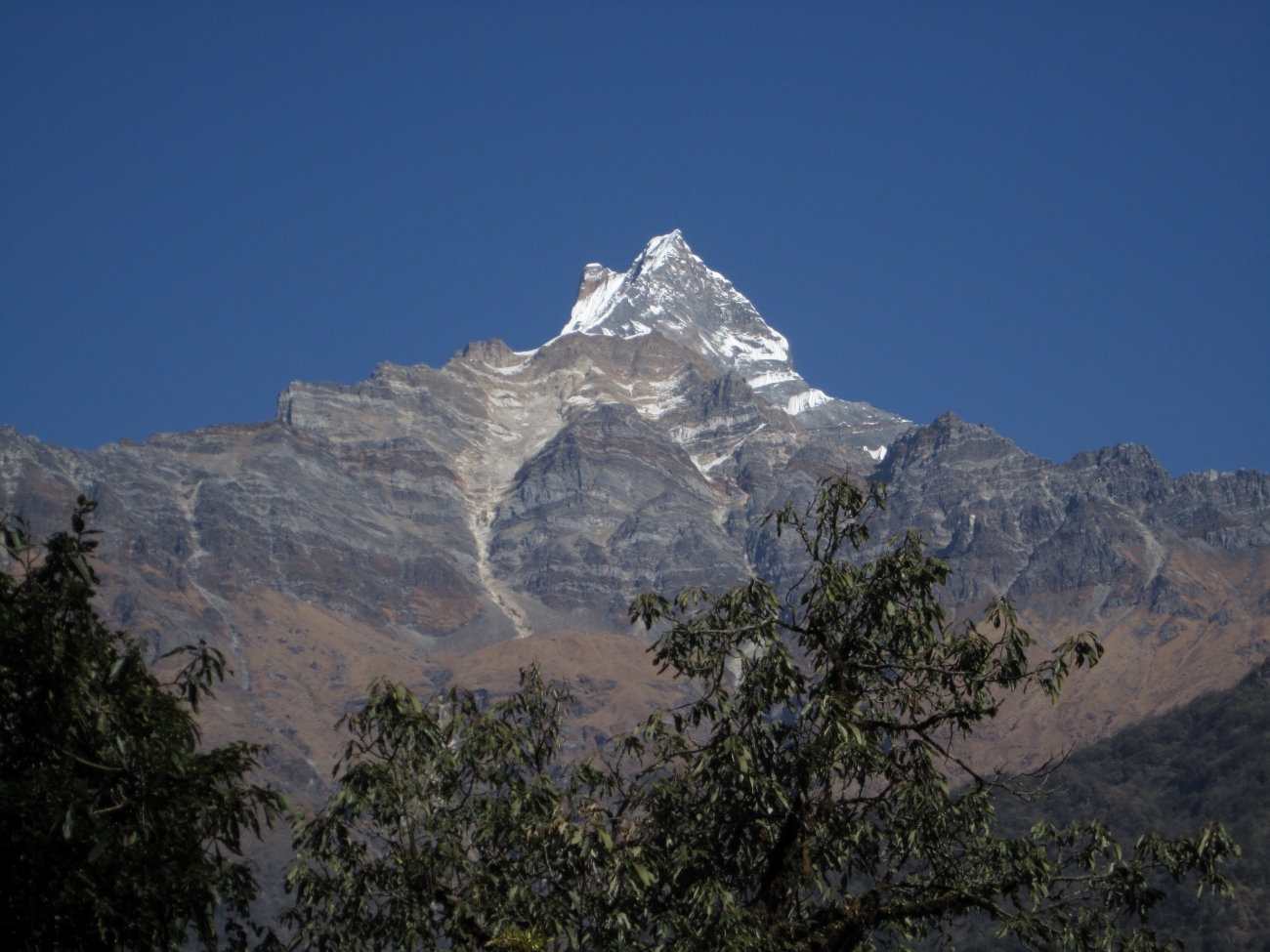
Standing there feels very different from looking at the mountains in photographs. Annapurna I, Annapurna South, Hiunchuli, Gangapurna, and Machhapuchhre surround you from almost every direction.
Early in the morning, the first sunlight slowly touches the summits while the valley below remains cold and quiet. For many trekkers, this becomes the moment they remember most.
But reaching base camp is only part of the journey.
The Annapurna Base Camp Trek is also about the people you meet along the trail, the warm food after a long day, the changing landscape, the tired legs, the mountain mornings, and the feeling of slowly reaching a place that seemed very far away when you started.
Our 10-day Annapurna Base Camp itinerary is designed for travellers with good general fitness who want to experience the high Himalayas without technical climbing. You should be prepared for approximately 5–7 hours of walking on most trekking days, with steep ascents, long descents, stone staircases, and high-altitude terrain.
The best trekking seasons are generally March to May and September to November, when the Annapurna region usually offers favourable trekking conditions and clearer mountain views.
If you have always wanted to walk deep into the Himalayas and stand beneath some of the world's greatest mountains, Annapurna Base Camp is a journey worth making.
After check-in, you can rest and recover from your journey. Depending on your arrival time, you may also have an opportunity to explore the nearby streets, experience the atmosphere of Kathmandu, and enjoy your first taste of Nepali cuisine.
A short trip briefing will be arranged to discuss the journey ahead, trekking conditions, equipment, and other important information.
After breakfast, we leave Kathmandu and drive west toward Pokhara, Nepal's beautiful lakeside city and the gateway to the Annapurna region.
The journey follows winding highways through the hills, passing rivers, terraced farmland, traditional settlements, and green valleys. Upon reaching Pokhara, we check into the hotel and have the rest of the evening to relax or explore the Lakeside area.
After breakfast, we drive from Pokhara to Syauli Bazaar, where our trek begins.
From Syauli Bazaar, the trail follows the Modi Khola valley through subtropical forest, terraced farmland, small settlements, and suspension bridges. We continue toward New Bridge and Jhinu Danda before beginning the steeper climb toward Chhomrong.
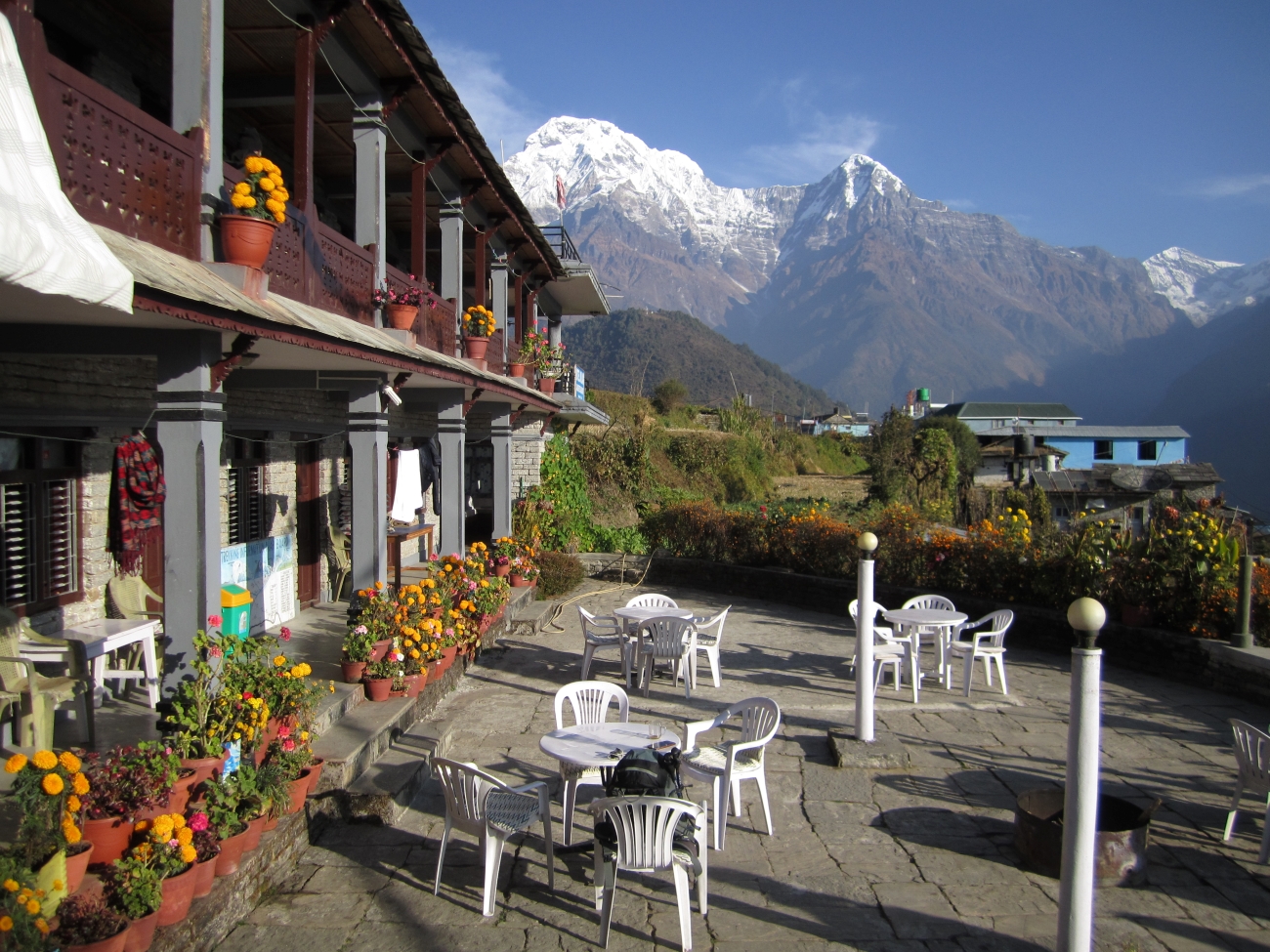
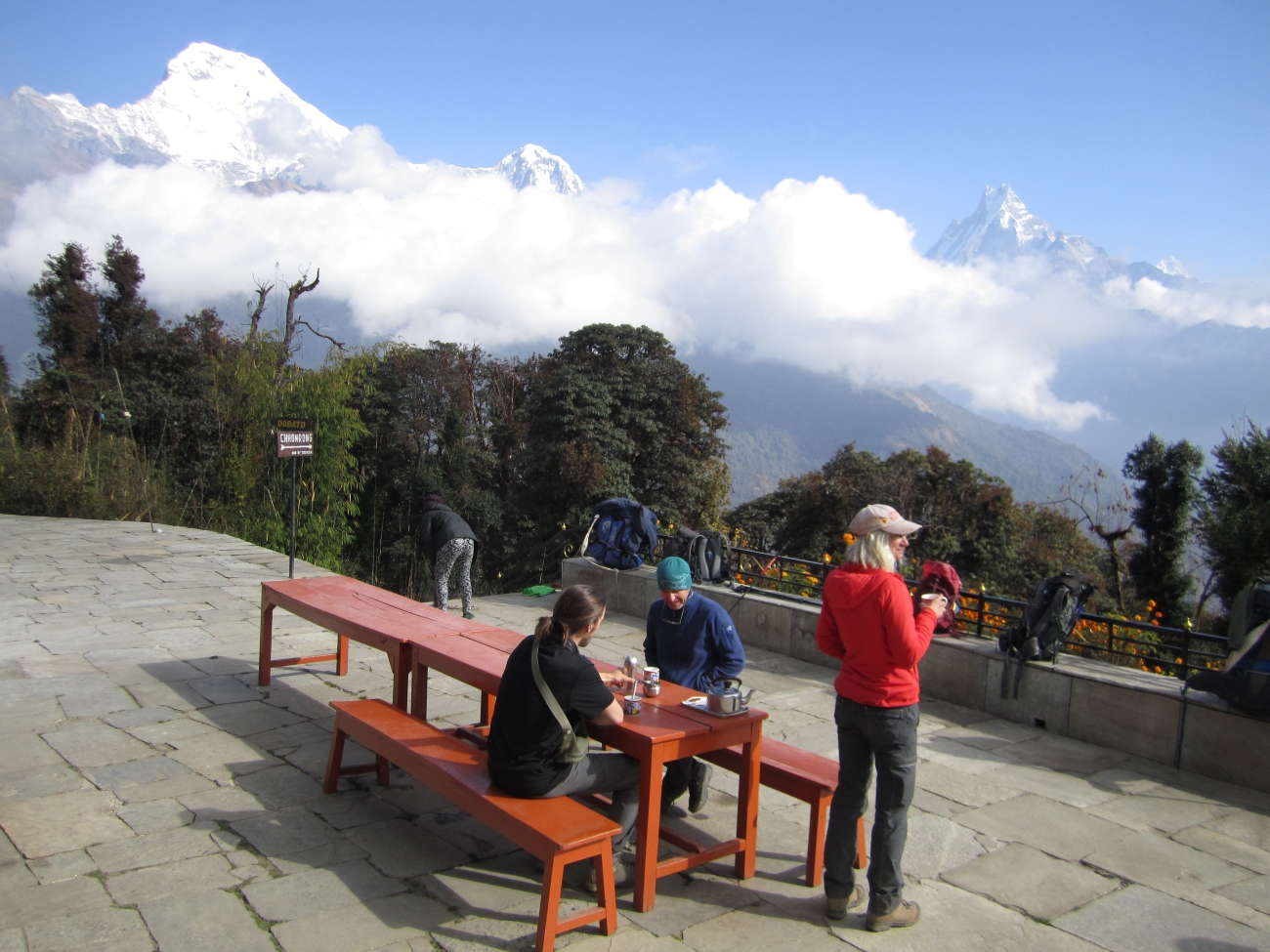
Chhomrong is one of the most important villages on the Annapurna Base Camp route and offers beautiful views of Annapurna South, Hiunchuli, and Machhapuchhre.
After breakfast, we descend on stone steps toward Chhomrong Khola and cross the river by suspension bridge. From here, a steady uphill climb takes us toward Sinuwa.
Beyond Sinuwa, the trail enters a beautiful forest of bamboo, rhododendron, and oak. We continue through Bamboo and Dovan as the valley gradually becomes narrower and more dramatic.
After several hours of walking through the Modi Khola gorge, we arrive at Himalaya for the night.
Today is one of the most rewarding days of the trek as we enter the heart of the Annapurna Sanctuary.
Leaving Himalaya, we climb toward Hinku Cave and Deurali before continuing into increasingly open alpine terrain. The vegetation gradually disappears as the massive surrounding peaks come into view.
We continue toward Machhapuchhre Base Camp at approximately 3,700 m before making the final gradual ascent to Annapurna Base Camp at 4,130 m.
At base camp, we are surrounded by a spectacular Himalayan amphitheatre that includes Annapurna I, Annapurna South, Hiunchuli, Machhapuchhre and Gangapurna.
We wake early at Annapurna Base Camp to enjoy the sunrise over the surrounding Himalayan peaks.
After breakfast, we begin the long descent through the Annapurna Sanctuary. Retracing our route, we pass Machhapuchhre Base Camp, Deurali, Himalaya and Dovan before returning to the forested section around Bamboo.
From Bamboo, the trail involves another short climb and several undulating sections before reaching Sinuwa.
This is primarily a downhill day, but the long distance and stone steps can still make it physically demanding.
After breakfast, we continue descending through the lower Annapurna region.
The trail leads back toward Chhomrong Khola before climbing to Chhomrong village. From Chhomrong, we descend toward Jhinu Danda and continue through the Modi Khola valley.
Crossing bridges and walking through forest and traditional settlements, we eventually reach Landruk. From Landruk, a final section of the trail brings us to the peaceful village of Tolka, where we spend the night.
Although we finish considerably lower than we started, today's route still contains several significant uphill sections.
Today is the final trekking day of our Annapurna Base Camp journey.
Leaving Tolka, we climb through forest toward the Deurali ridge. On a clear day, this section offers beautiful views toward the Annapurna and Manaslu ranges.
From Deurali, the trail descends toward Pothana and continues through Dhampus, a traditional village surrounded by terraced hillsides. We then make the final descent to Dhampus Phedi, where our vehicle will be waiting.
From Phedi, we drive back to Pokhara. The rest of the evening is free to relax beside Phewa Lake and celebrate the completion of the trek.
After breakfast, we begin our return journey to Kathmandu.
The scenic road follows river valleys, forested hills, agricultural terraces, and traditional settlements. Upon arrival in Kathmandu, you will be transferred to your hotel.
The remainder of the day is free for rest, shopping, sightseeing, or enjoying your final evening in Nepal.
Your Annapurna Base Camp journey comes to an end today.
Depending on your international flight schedule, you may have some free time in Kathmandu. At the appropriate time, one of our representatives will transfer you to Tribhuvan International Airport for your departure.
We hope you leave Nepal with unforgettable memories of the Annapurna Himalayas, and we look forward to welcoming you again for another adventure.
 Note:
Note:
If you have a private group and prefer a personalized experience, we can organize a custom trip tailored to your requirements and group size, running it any day you choose.
Plan a Private TripFrom your arrival in Nepal until the completion of your trip, our team will assist you and help ensure that your journey runs safely and smoothly.
During the trek, your Lead Guide is responsible for the group. You are welcome to ask questions at any time, but please follow the guide's instructions regarding weather, trail conditions, altitude, health, and safety.
In the mountains, situations can change quickly. Your guide may adjust the walking schedule, route, accommodation, or itinerary when necessary for the safety and well-being of the group.
Read MoreFor a group of approximately 4 trekkers, we normally provide:
The number of guides, assistant guides, and porters may vary depending on group size and route conditions.
For lodge or teahouse trekking, each trekker may provide a maximum of approximately 15 kg of luggage for porter transportation.
You will carry your own small daypack containing essentials such as:
Alpinist Club provides appropriate insurance and required equipment for our trekking staff.
During your stay in Kathmandu, accommodation is provided in a comfortable tourist-standard hotel. The exact hotel may vary according to availability.
Our preferred hotels include:
Located near Thamel, the hotel provides convenient access to restaurants, shops, and tourist areas. Rooms generally include a private bathroom, Wi-Fi, and air conditioning.
A comfortable hotel within easy reach of central Kathmandu and Thamel. Rooms generally include private bathrooms, Wi-Fi, and air conditioning.
A welcome dinner is provided after your arrival according to the trip program.
Kathmandu also offers a wide variety of Nepali and international restaurants that you can explore during your free time.
During the Annapurna Base Camp Trek, accommodation is mainly in local lodges and teahouses.
Rooms are generally provided on a twin-sharing basis.
As you travel higher into the mountains, accommodation becomes more basic. Around Machhapuchhre Base Camp and Annapurna Base Camp, rooms may be limited during busy trekking seasons.
Single rooms cannot always be guaranteed in the higher mountain areas.
Meals are prepared by local lodge kitchens and served in the dining room.
Common options include:
Tea or coffee is provided according to the included meal plan.
Additional snacks, soft drinks, alcoholic drinks, bottled beverages, and food outside the included menu are at your own expense.
Safe drinking water is available throughout the route.
We strongly recommend carrying a reusable water bottle rather than regularly buying single-use plastic bottles.
Depending on the location, drinking water may be:
Water purification tablets can be provided or purchased in Nepal.
The Annapurna Base Camp Trek requires a good level of general fitness and endurance.
Most trekking days involve approximately 5–7 hours of walking, although some days may be longer.
The trail includes:
The highest point of the trek is Annapurna Base Camp at 4,130 m / 13,550 ft.
Previous high-altitude trekking experience is helpful but not normally essential for fit and properly prepared trekkers.
We recommend beginning physical preparation several weeks or months before travelling.
Useful training includes:
Whenever possible, complete 4–6 hour hikes during weekends, preferably on uphill and downhill terrain.
Training while carrying your trekking daypack can also help prepare your body for the journey.
You should be in good general health before joining the Annapurna Base Camp Trek.
If you have an existing medical condition, regularly take medication, or have concerns about trekking at altitude, we recommend speaking with your doctor before travelling.
Tell your doctor that your journey involves:
Always bring enough personal medication for the entire journey, along with a small additional supply in case of delays.
The trek reaches elevations above 4,000 metres, where some people may experience altitude-related symptoms.
Possible symptoms include:
Always inform your guide if you experience any symptoms.
Do not hide symptoms or continue ascending simply to remain with the group.
Depending on your condition, your guide may recommend:
Medication such as acetazolamide (Diamox) should only be taken following appropriate medical advice.
Comprehensive travel insurance is strongly recommended and should be arranged before arriving in Nepal.
Your insurance should specifically cover trekking at the maximum altitude reached during your itinerary.
For the Annapurna Base Camp Trek, we recommend that your policy includes coverage for trekking to at least 4,500 metres.
Your insurance should ideally cover:
Please carefully check the terms and altitude limits of your policy before purchasing it.
We recommend carrying a copy of your insurance certificate, policy number, and the insurer's emergency contact information during the trek.
If a trekker becomes seriously ill or injured, the first priority is to move them to an appropriate medical facility as safely as possible.
Depending on the situation, evacuation may involve:
Helicopter evacuation is dependent on weather, visibility, landing conditions, availability, and insurance approval.
For this reason, appropriate travel insurance is very important.
Our team will assist with emergency coordination, but medical treatment, helicopter rescue, and evacuation expenses must be covered by the traveller or their insurance provider unless specifically included in the trip package.
The Annapurna Base Camp Trek requires the necessary trekking and conservation-area permissions according to current local regulations.
Where included in your package, Alpinist Club will arrange the required trekking permits before the trek begins.
You may need to provide:
Always carry your original passport or an appropriate copy according to your guide's instructions.
Mountain weather can change quickly.
Conditions vary according to the season, altitude, and location.
During trekking season, you may experience:
Temperatures around Annapurna Base Camp can fall below freezing, especially during early mornings, evenings, and colder months.
You should therefore bring appropriate warm clothing and waterproof equipment.
Electricity is available at many lodges along the Annapurna Base Camp route.
However, charging facilities become more limited as you travel higher into the mountains.
Some lodges may charge an additional fee for:
We recommend carrying a fully charged power bank as backup.
Wi-Fi is available at many lodges along the route, although connection quality can vary considerably.
Mobile network coverage is available in some locations but should not be expected throughout the entire trek.
At higher elevations, internet and mobile connections may be slow, unstable, or unavailable.
We recommend informing family and friends that you may occasionally be out of contact.
Kathmandu and Pokhara have ATMs, banks, and currency-exchange facilities.
However, ATM access is very limited once you begin trekking.
We recommend carrying enough Nepalese Rupees in cash for personal expenses during the trek.
You may need cash for:
Small denominations are particularly useful in mountain villages.
Hot showers are available at many lodges for an additional charge.
At higher elevations, showers may be limited or unavailable depending on water supply and weather conditions.
During colder days, many trekkers prefer basic washing rather than taking a full shower.
Bathroom facilities vary along the route.
At lower elevations, many lodges provide western-style toilets, while some higher-altitude lodges may have simpler facilities.
Toilet paper may not always be provided, so we recommend carrying your own supply along with hand sanitizer.
Ground transportation is arranged according to the itinerary.
Road conditions in Nepal can sometimes be affected by:
Driving times should therefore be considered approximate.
Your guide may adjust departure times when necessary.
Mountain itineraries should always remain flexible.
Although we make every effort to follow the published itinerary, changes may occasionally be necessary because of:
The trip leader has the authority to make necessary changes when required for the safety of the group.
Any decision will be made with safety as the first priority.
Before departure, we will provide you with a detailed trekking equipment list.
Important personal equipment normally includes:
Selected trekking equipment can be rented in Kathmandu if you prefer not to purchase everything.
We can normally assist with rental of items such as:
Rental equipment should be returned in good condition after the trek.
A refundable deposit may be required for some equipment.
The Annapurna Base Camp Trek normally operates with groups of approximately 1–10 participants.
Small groups allow:
Larger private groups can also be organized with additional trekking staff.
Tipping is not compulsory in Nepal, but it is a traditional way of showing appreciation for good service.
If you are satisfied with the service of your guide, assistant guide, and porter, you may choose to provide a tip at the end of the trek.
There is no fixed amount, and tipping should always be based on your satisfaction with the service provided.
We encourage all guests to help protect the Annapurna region.
Please:
Our goal is to leave the mountains as clean as we found them.
Safety is one of our highest priorities throughout the Annapurna Base Camp Trek.
Our guides regularly assess:
Our trekking team carries a first-aid kit and appropriate safety equipment for the route.
In an emergency, our team will coordinate the most appropriate response, including descent, local medical assistance, or evacuation where necessary.
All participants should listen carefully to their guide and immediately report illness, injury, altitude symptoms, or any other concern.
Before travelling to Nepal, we recommend keeping both printed and digital copies of important documents, including:
Keeping a digital copy of these documents on your phone or email can also be helpful.
The Annapurna Base Camp Trek is one of Nepal's most rewarding Himalayan journeys, but good preparation is important.
Arrive with appropriate fitness, reliable trekking equipment, comprehensive travel insurance, and a flexible attitude toward mountain conditions.
Our team will take care of the trekking arrangements and support you throughout the journey so that you can focus on experiencing the Annapurna Sanctuary safely and comfortably.
Less More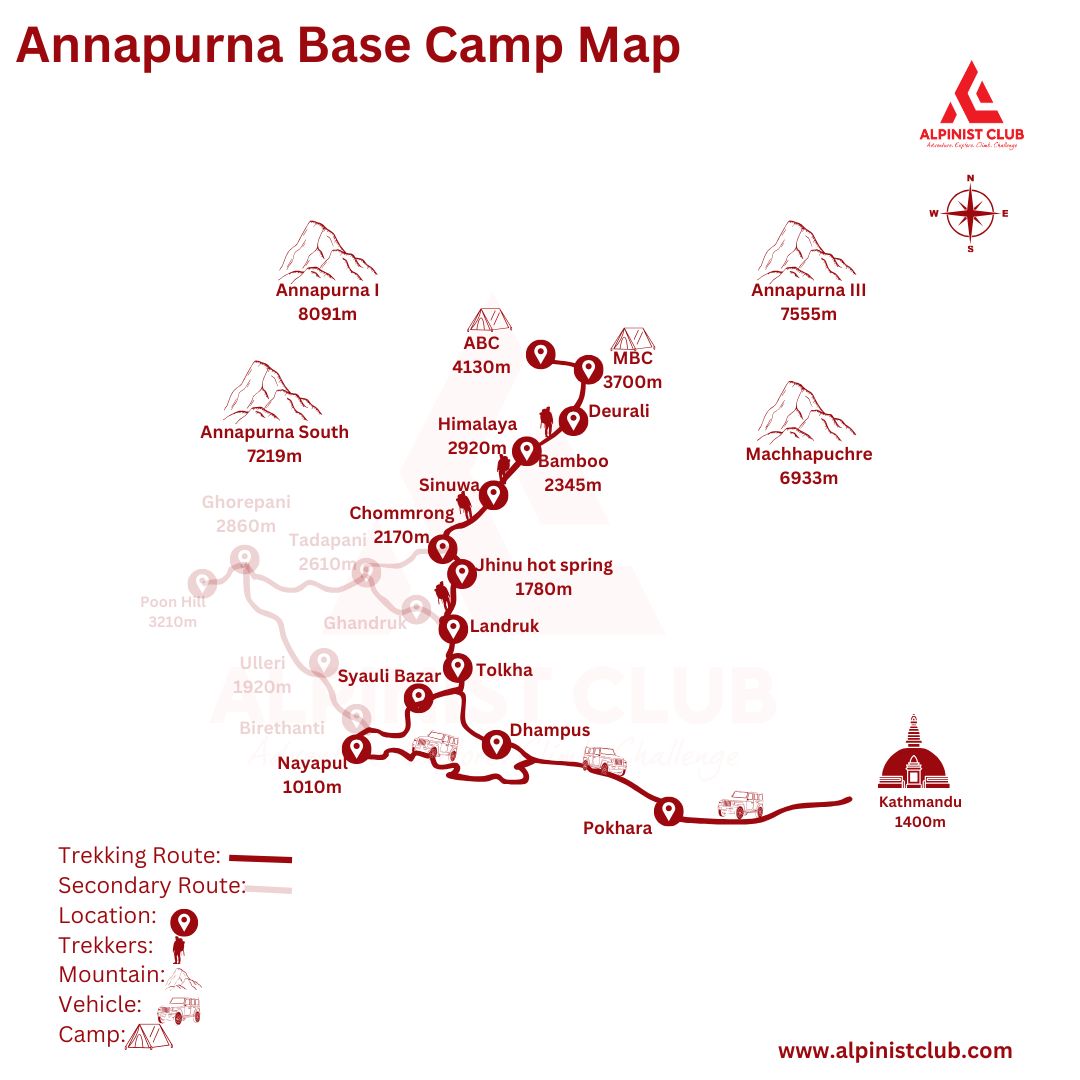
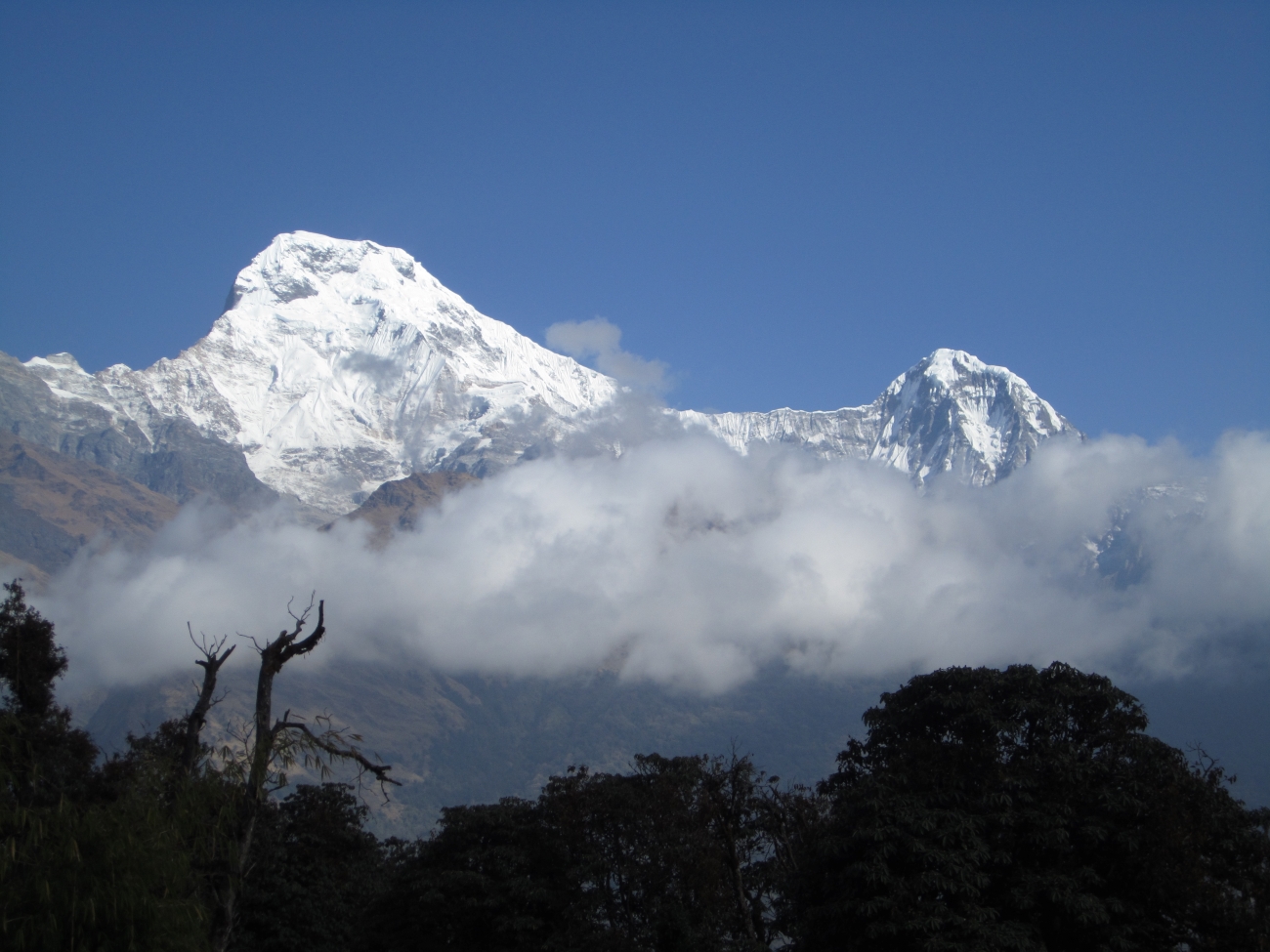
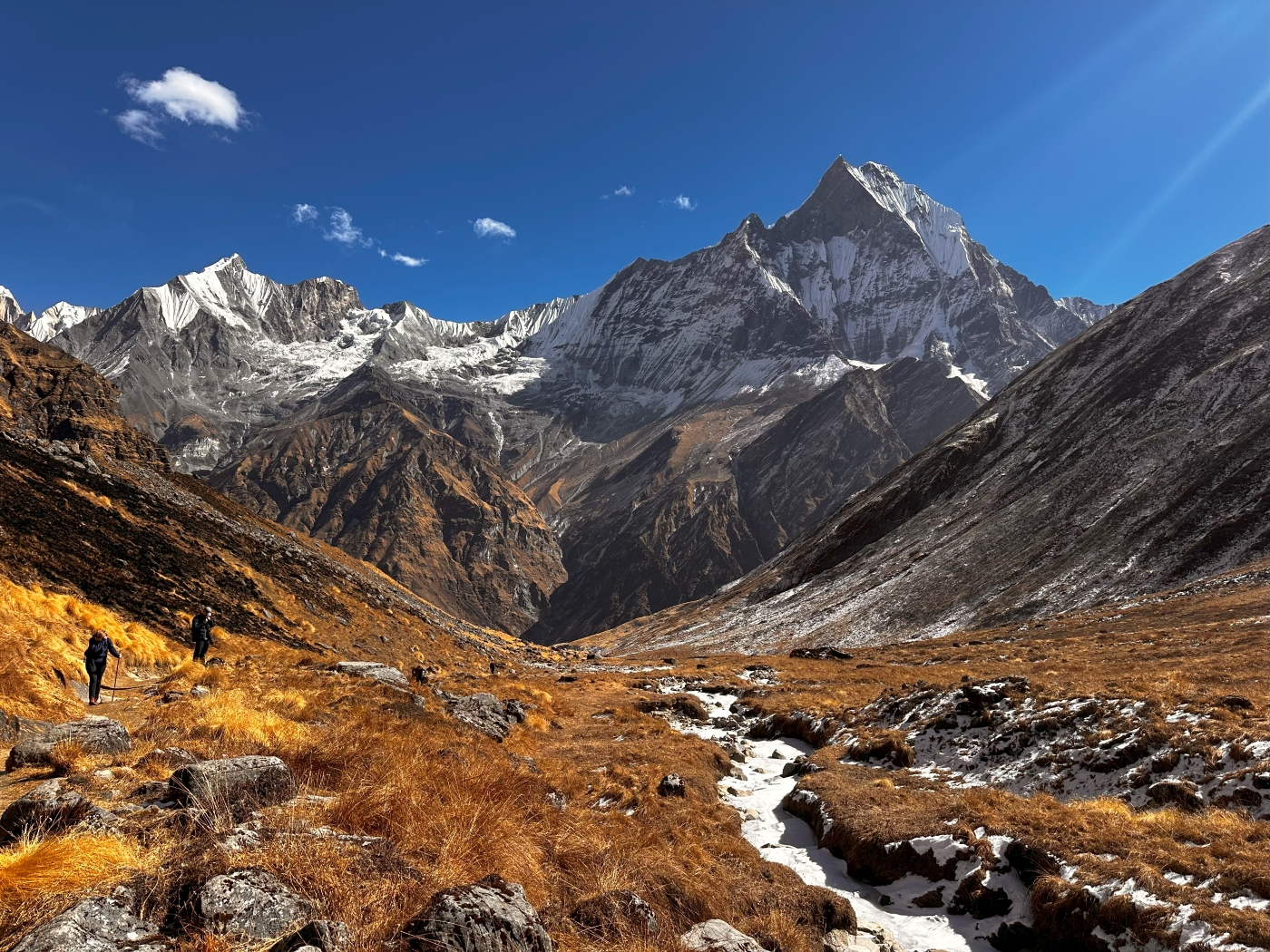
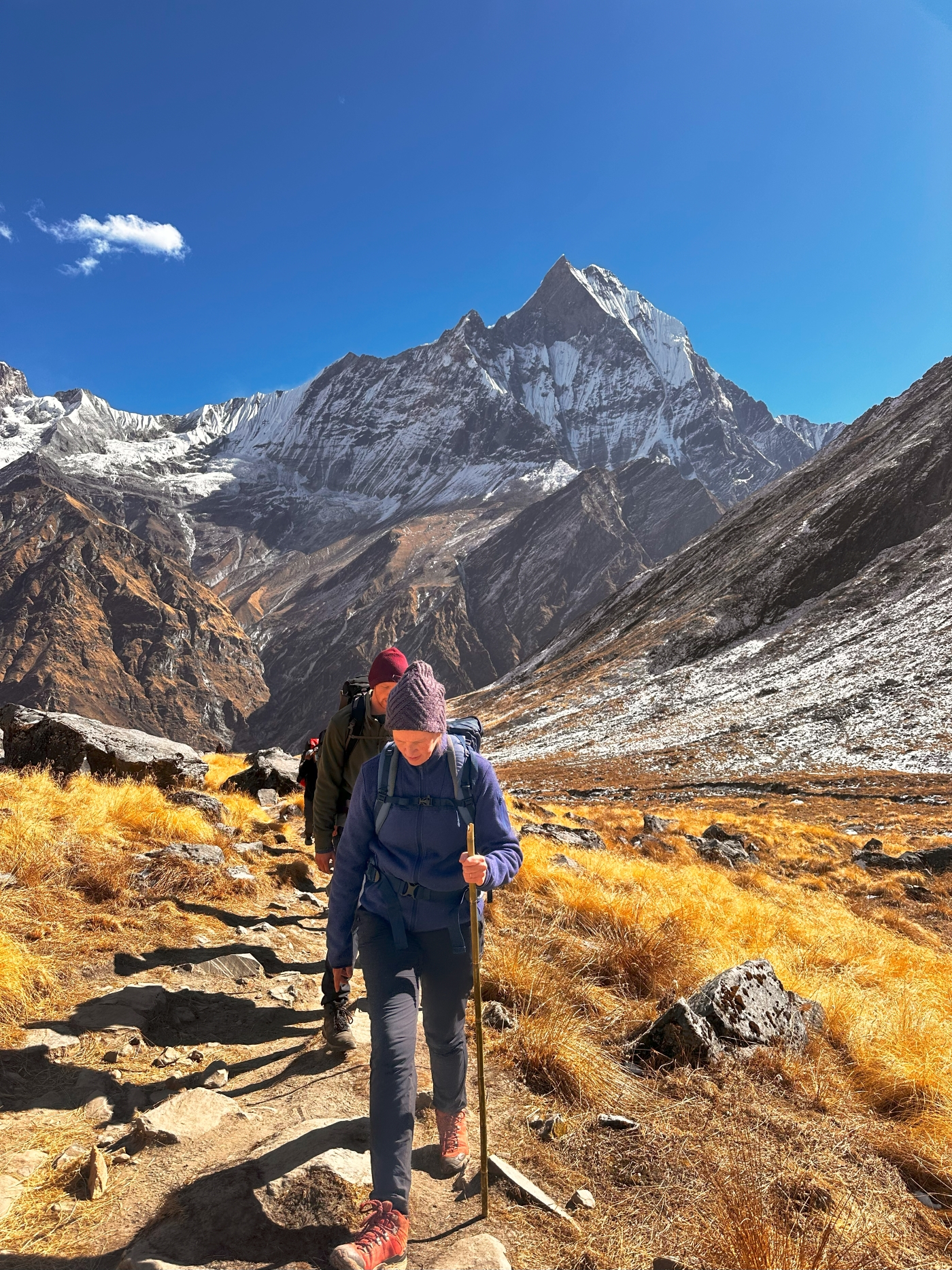
The Annapurna Base Camp (ABC) trek offers an incredible blend of natural beauty, cultural immersion, and stunning mountain views. It takes you deep into the heart of the Annapurna region, where you'll witness the grandeur of the Himalayas, including the Annapurna massif, Dhaulagiri, Machapuchare, and more. The trek provides an unparalleled experience of trekking through diverse landscapes, charming villages, and lush forests, combined with the challenge of reaching a high-altitude base camp.
Yes, the Annapurna Base Camp Trek is considered a moderate trek, making it accessible for most trekkers with a reasonable level of fitness. Although the trek involves some uphill climbs and high-altitude walking, it is generally well within reach for beginners who are prepared for a physically demanding journey.
The trek usually takes around 7 to 12 days, depending on the specific itinerary, pace, and acclimatization days. This allows trekkers to properly adjust to the altitude and enjoy the trek without rushing.
The best times to trek to Annapurna Base Camp are during the pre-monsoon (spring) season (March to May) and the post-monsoon (autumn) season (September to November). These months offer clear skies, pleasant weather, and great visibility of the mountain views.
The trek offers a variety of accommodation options, including tea houses and lodges along the route. These provide basic facilities with a comfortable place to sleep, meals, and a warm environment to relax in after a day’s trek.
While it is possible to trek independently, having a guide is recommended, especially if you are unfamiliar with the region or trekking in high-altitude environments. A guide will enhance your experience by providing insights into local culture, safety guidance, and ensuring you follow the best trekking routes.
Annapurna Base Camp is located at an altitude of 4,130 meters (13,550 feet). While altitude sickness is a potential concern for any trek above 2,500 meters, the slow pace of the trek and ample time for acclimatization generally reduce the risk. It is crucial to stay hydrated, take it slow, and be aware of the symptoms of altitude sickness.
You’ll need essential trekking gear such as comfortable hiking boots, warm clothing for cold temperatures, a waterproof jacket, a sleeping bag, a good quality backpack, trekking poles, and a first-aid kit. We also recommend bringing personal items like sunscreen, a camera, and a power bank for charging your devices.
The Annapurna Base Camp Trek is generally considered safe for trekkers, with well-established routes, infrastructure, and support. However, like any trekking adventure, it’s important to stay prepared, listen to your guide, and be mindful of safety precautions related to altitude, weather, and physical exertion.


nick halpin
(19 Jan 2025)Amazing crew and very well prepared! Subash did a great job as a tour guide and was extremely knowledgeable about the mountains and surrounding areas, the history and about Nepal in general. Half of the trip was the food honestly. Highly recommend them! Unforgettable views and overall experience. The challenge is super worth it! The porters also did heroic work carrying our stuff.
h
(29 Aug 2026)j