Max. Elevation






Our Alpinist Club representative welcomes you at the airport and transfers you to your hotel. Rest after your journey before meeting the team and enjoying a welcome dinner.
Fly to Lukla from Kathmandu or Ramechhap, depending on flight arrangements. Meet the porters and begin trekking through Sherpa villages and along the Dudh Koshi River to Phakding.
Follow the river through pine forests and cross several suspension bridges. Complete the national park entry formalities at Monjo before making the sustained uphill climb to Namche Bazaar.
Follow the river through pine forests and cross several suspension bridges. Complete the national park entry formalities at Monjo before making the sustained uphill climb to Namche Bazaar.
Hike towards Syangboche and the Everest View area for mountain views, weather permitting. Depending on the team’s condition, continue to Khumjung before returning to Namche for a second night.
Leave the busy trekking trails and follow a quieter route through forests and Sherpa settlements. A final uphill section brings you to Mende, the last village stop before entering the Kyajo Ri valley.
Follow a less-travelled yak trail into the secluded Kyajo Drangka valley. Walk across rugged terrain before reaching base camp, where the camping team prepares your tents and meals.
Take a gentle acclimatization hike above camp, with the height adjusted to how you feel. Review equipment and practise crampon technique, rope handling and climbing procedures with your guide.
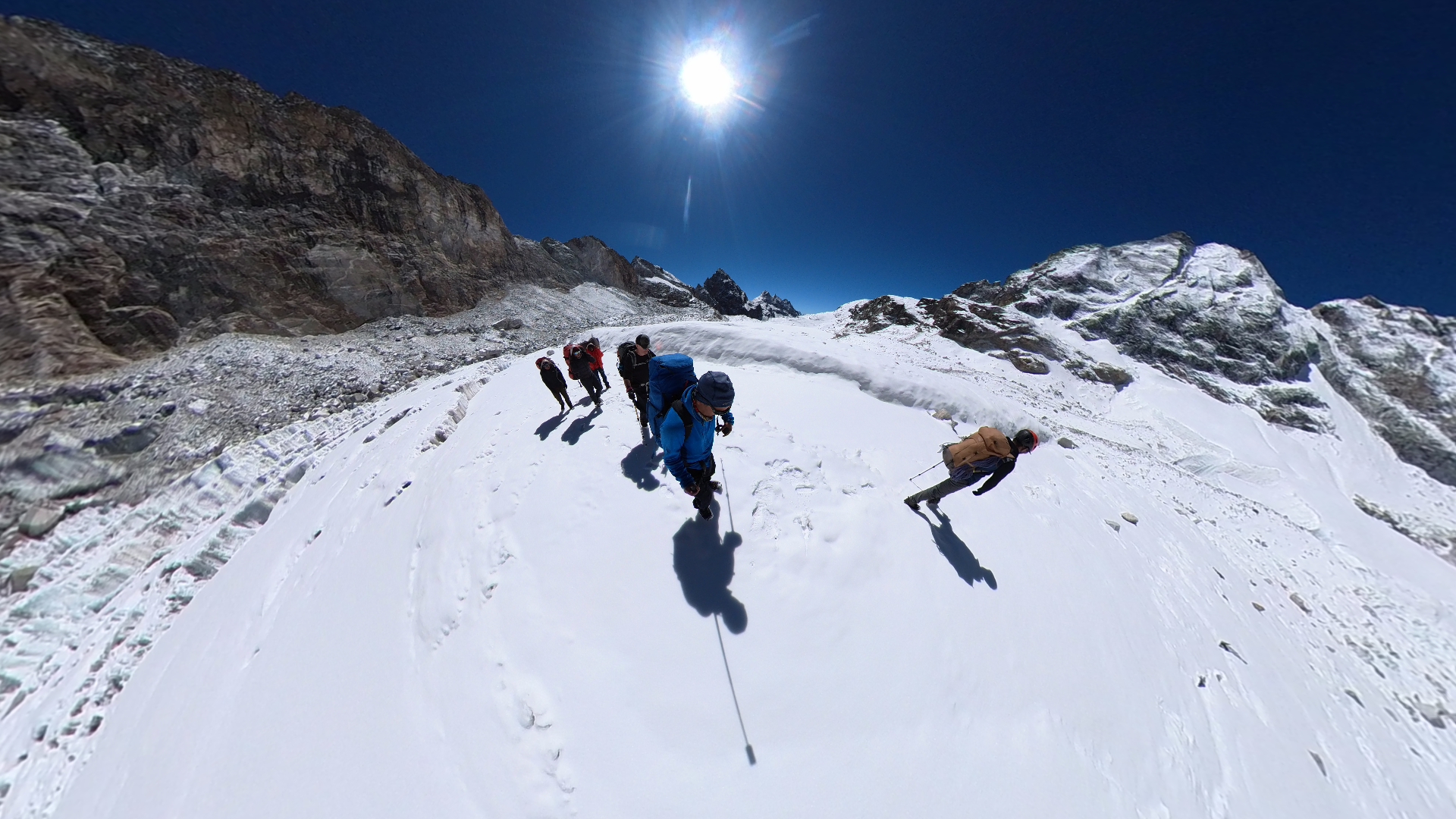
Ascend through rocky ground, boulder fields and loose scree. Maintain a steady pace with regular breaks before reaching Camp I. Spend the afternoon resting and preparing for the next stage.
Spend another night at Camp I to support acclimatization. If conditions allow, climb towards Camp II before returning. Your guide chooses the turnaround point according to the team’s condition.
Continue over more demanding terrain involving rock, snow and glacier travel. Follow your guide’s instructions and use ropes where required. At Camp II, rest and prepare your equipment for summit day.
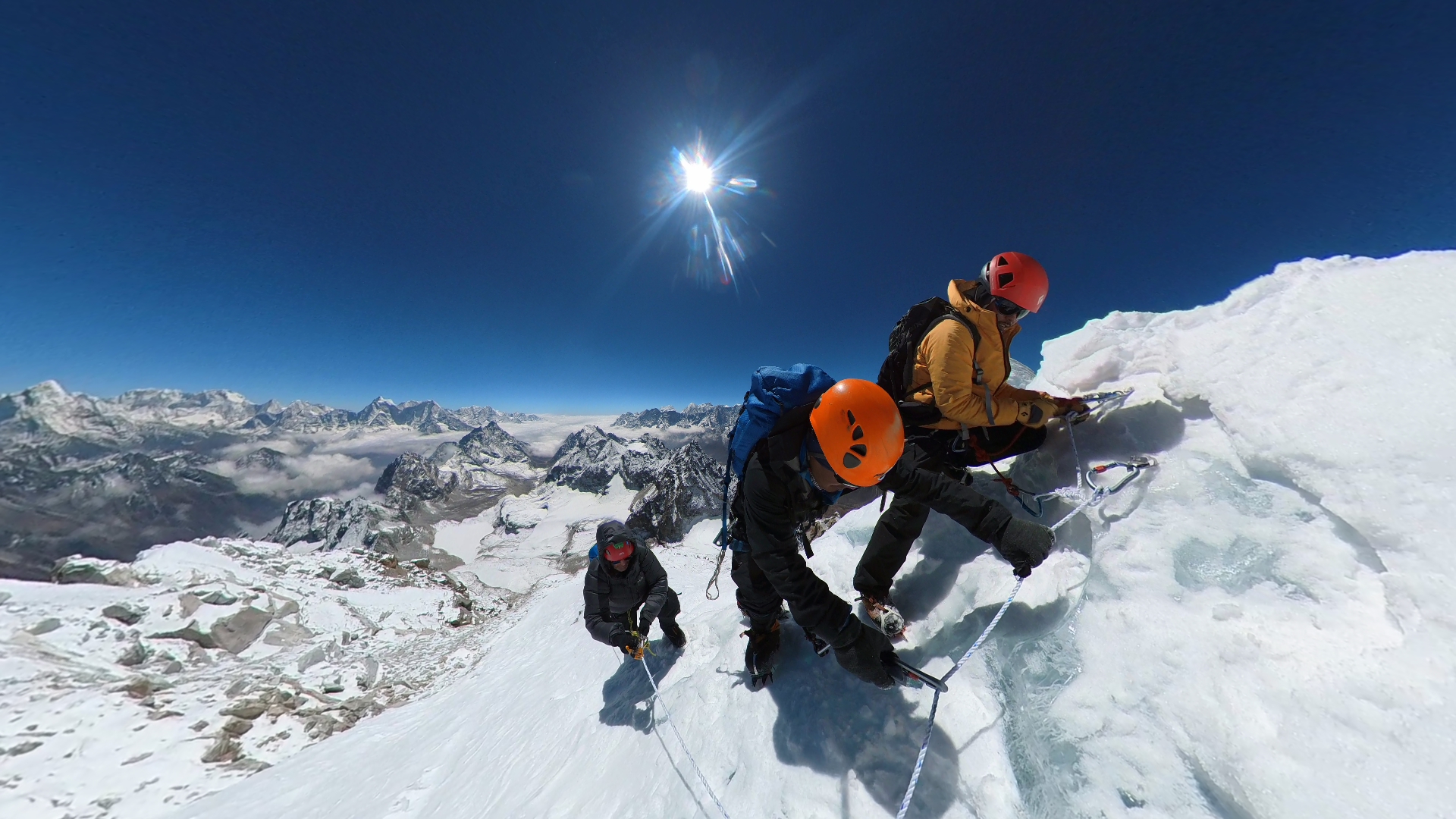
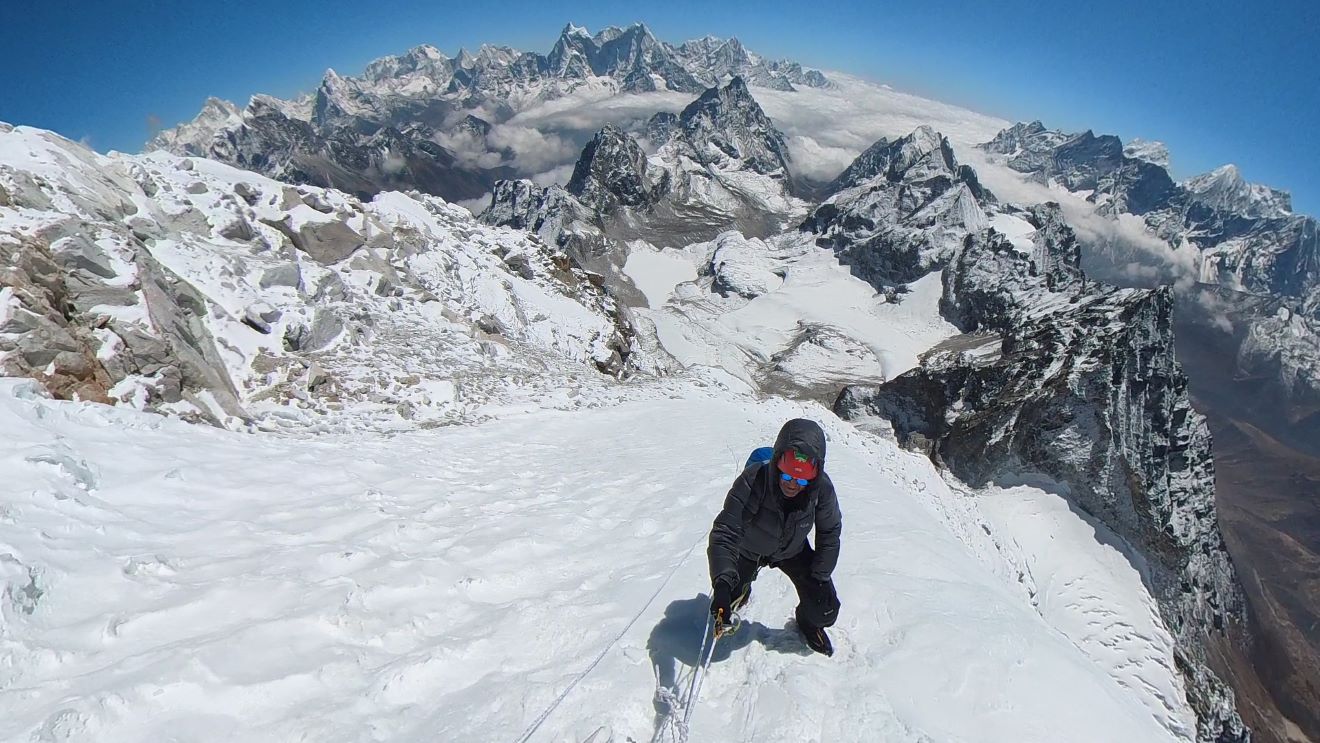
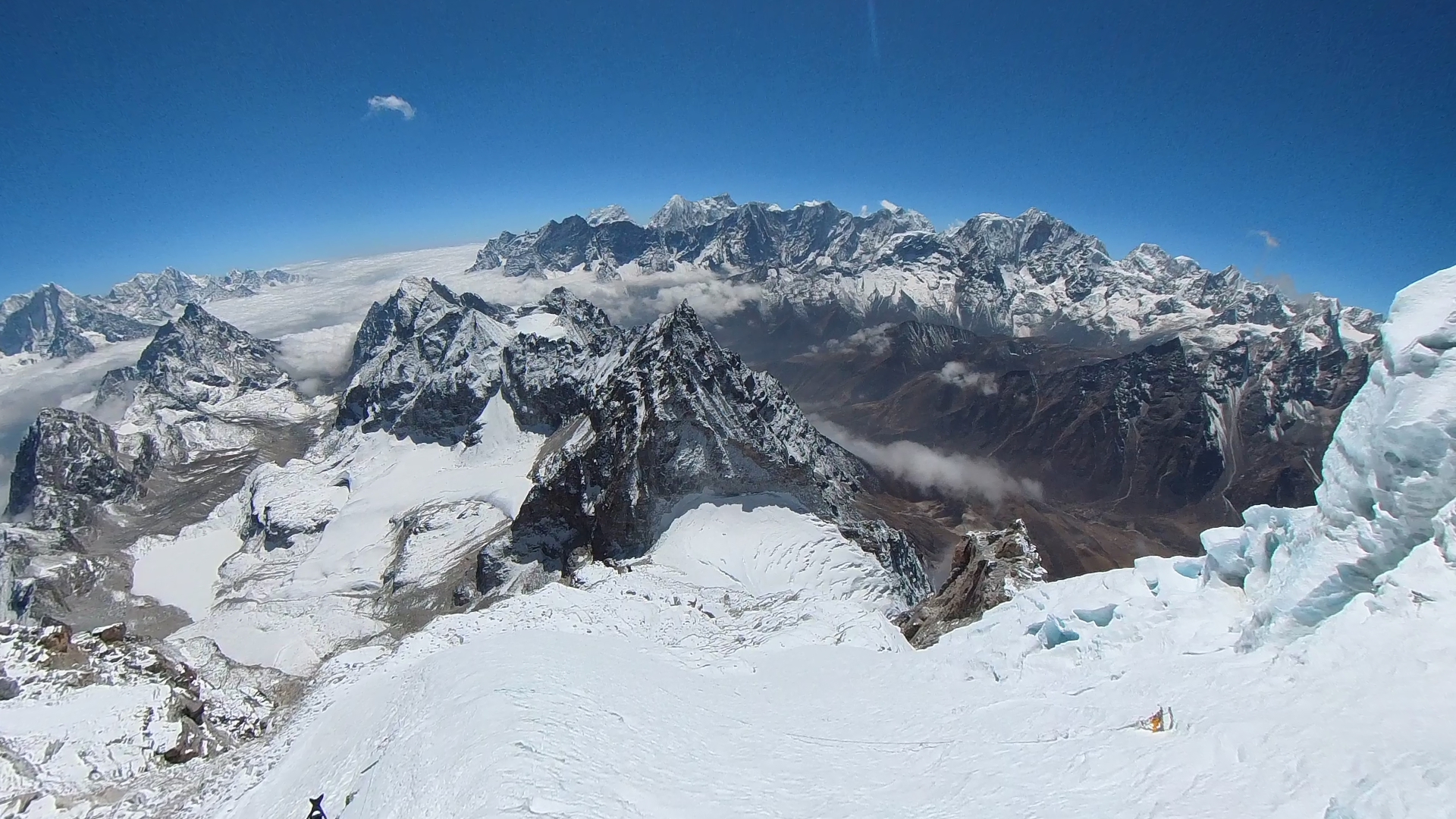
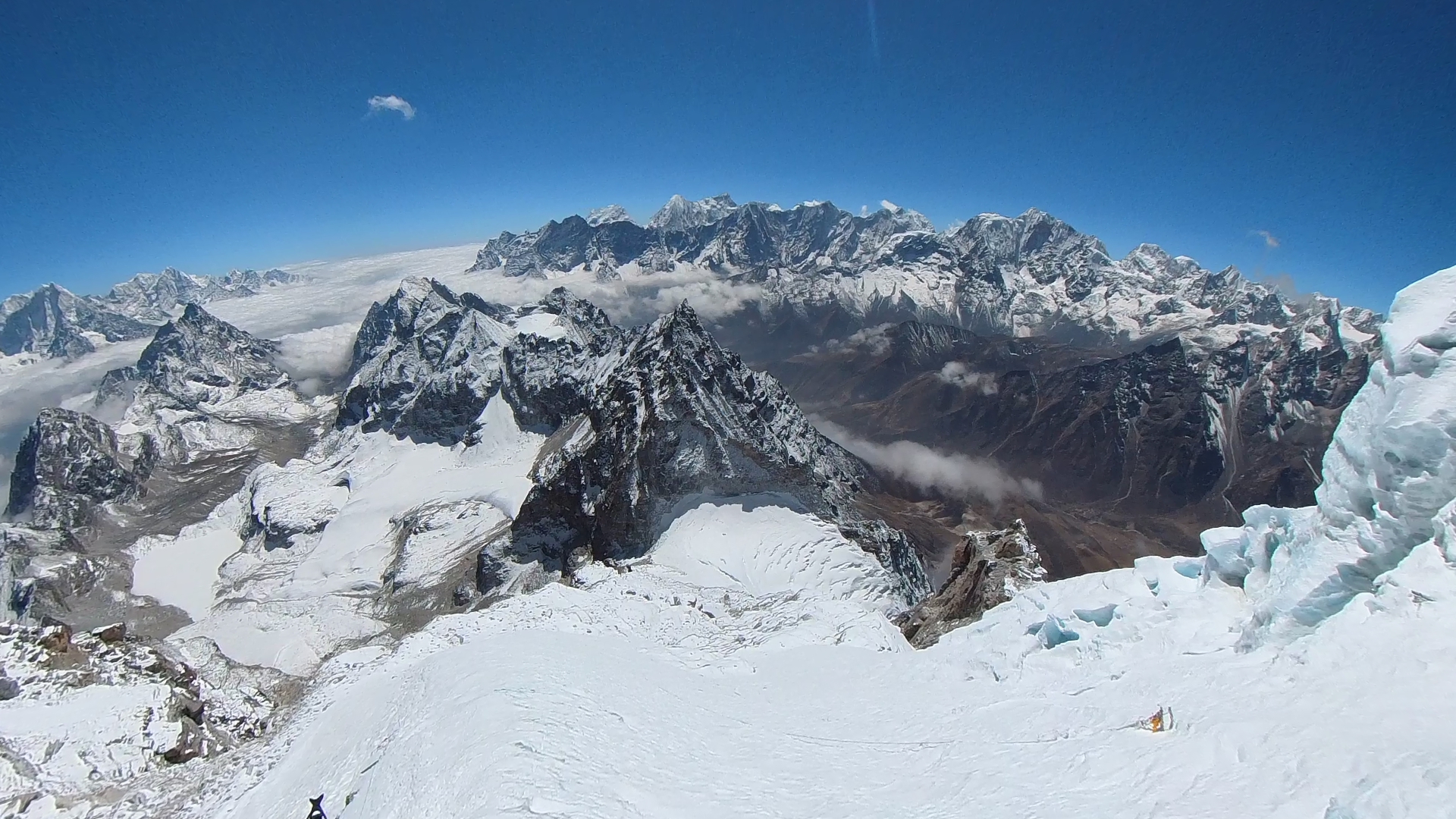
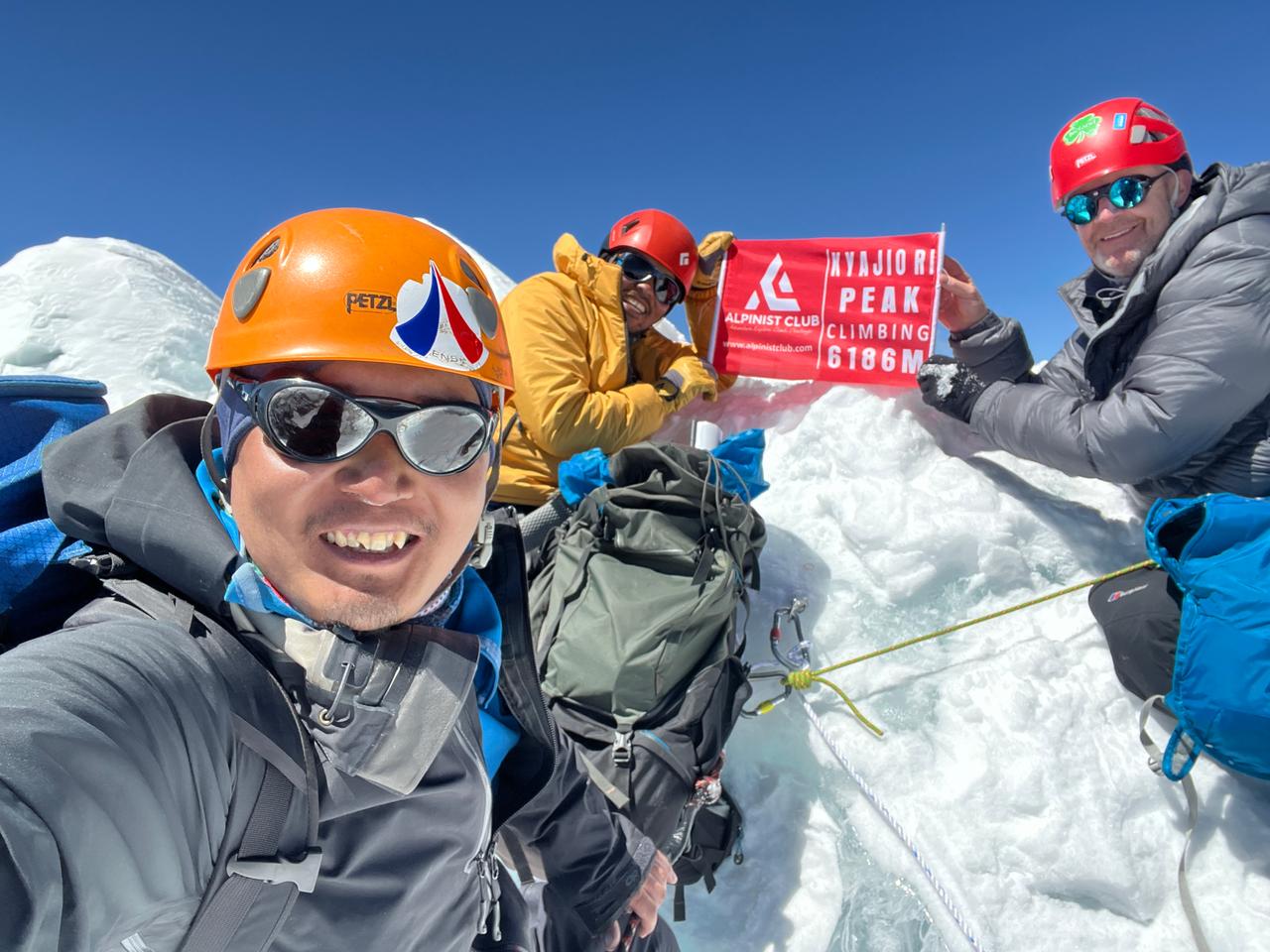
Begin before dawn and climb towards the Southwest Ridge. Negotiate steep snow, ice and mixed terrain under your guide’s supervision. If conditions allow, reach the summit before descending carefully to Camp II.
Descend through Camp I at around 5,200 m and continue to base camp. Move carefully through the rocky and technical sections before enjoying a warm meal and rest.
Pack the camp and collect all expedition waste before leaving. Retrace the trail through Mende at 3,736 m, then continue to Namche Bazaar for a comfortable night in a lodge.
Descend through Monjo and Phakding at 2,610 m, then follow the rolling trail uphill to Lukla. Spend your final evening in the mountains with the trekking team.
Fly to Kathmandu or Ramechhap, depending on the operating schedule. If arriving in Ramechhap, continue to Kathmandu by road. Transfer to your hotel and enjoy the remaining time at leisure.
Enjoy breakfast and any available free time before your flight. Our representative transfers you to Tribhuvan International Airport for your departure.
Note: The guide may adjust the itinerary according to acclimatization, weather and mountain conditions. Additional contingency days are recommended for climbing and possible Lukla flight delays.
 Note:
Note:
If you have a private group and prefer a personalized experience, we can organize a custom trip tailored to your requirements and group size, running it any day you choose.
Plan a Private TripKyajo Ri is a technical mountaineering objective in Nepal’s Khumbu region. The itinerary approaches through Lukla, Namche Bazaar and Mende before entering the quieter Kyajo Drangka valley. From base camp at 4,550 m, the climb continues through Camp I at around 5,200 m and Camp II at around 5,700 m towards the summit via the Southwest Ridge.
Read MoreThe climb involves steep snow and ice, rocky terrain, glacier travel and exposed sections. Participants need strong fitness and previous mountaineering experience, including familiarity with crampons, an ice axe, harness, fixed ropes and abseiling. Training at base camp refreshes these skills; it does not replace prior experience. Please share your climbing background with us before booking so we can assess your suitability.
Your trekking guide coordinates the journey, while the climbing guide manages the technical ascent and mountain safety. Follow their instructions and promptly report illness, fatigue or equipment problems. Weather, route conditions and the team’s health determine whether the climb proceeds.
The expedition team includes:
Trekking guide: Leads the approach and return trek, manages daily arrangements and supports acclimatization.
Climbing Sherpa: Provides technical guidance, manages rope systems and assists during the ascent and descent. The package includes one climbing Sherpa per member during the climbing section.
Assistant guide: Supports participants and camp operations according to group size.
Cook and kitchen assistants: Prepare meals and manage the kitchen during the camping section.
Porters and yak handlers: Transport personal baggage, communal equipment and supplies as required.
Alpinist Club provides Nepalese staff with insurance, appropriate equipment, food and accommodation for their duties.
In Kathmandu: The package includes three hotel nights with breakfast. Hotel selection depends on availability and is confirmed before arrival. Additional nights and room upgrades cost extra unless included in your quotation.
During the trek: Stay in local lodges in Phakding, Namche Bazaar, Mende and Lukla. Rooms are generally simple, with twin beds and limited heating. Bathroom facilities vary, and hot showers, charging and Wi-Fi usually incur additional charges.
At base camp: Stay in shared two-person tents with sleeping mattresses. Communal dining, kitchen and toilet arrangements support the camping team.
At high camps: Two members share a mountaineering tent. Facilities are basic, space is limited and temperatures can be very cold. Camp locations may change according to mountain conditions.
Breakfast is included during your scheduled hotel stay in Kathmandu, together with one welcome dinner. Other Kathmandu lunches and dinners are at your own expense.
During the trek and climb, breakfast, lunch and dinner are provided. Lodge menus commonly offer dal bhat, rice, noodles, soups, potatoes, eggs and bread. At base camp, the cook prepares meals using supplies carried into the valley. High-camp meals are simple and easy to prepare, with choices depending on availability.
Tea and coffee are included with meals. Additional snacks, bottled drinks and alcoholic beverages are charged separately.
Bring reusable water bottles and a suitable purification method. Water must be boiled or properly treated before drinking. At high camps, the team prepares drinking water using available water sources or melted snow.
Please tell us about allergies and dietary requirements before booking. Food choices become more limited at higher camps.
Begin training several months before departure. Combine regular cardiovascular exercise with leg and core strength work, long uphill walks and practice carrying your daypack. Include consecutive hiking days to prepare for sustained effort.
Refresh your crampon, ice-axe, rope and abseiling skills before travelling. You should be comfortable moving over uneven terrain and spending long days outdoors in cold conditions.
Discuss the expedition with a qualified healthcare professional before departure, particularly if you have an existing medical condition, take regular medication or have previously experienced altitude illness. Carry sufficient personal medication and inform the team of relevant health concerns.
The itinerary includes acclimatization stops in Namche Bazaar, base camp and Camp I. These days help adaptation, but they do not guarantee protection from altitude illness.
Report headaches, nausea, dizziness, unusual fatigue or loss of appetite immediately. Do not ascend higher while experiencing altitude-sickness symptoms. Worsening symptoms require descent; confusion, difficulty walking or breathlessness at rest need urgent attention and evacuation.
Acetazolamide can help prevent or treat altitude illness when prescribed appropriately. Discuss its suitability with your doctor. Medication does not replace gradual ascent or descent when required.
Personal travel insurance is mandatory. Your policy must explicitly cover:
Technical mountaineering to at least 6,186 m.
Search and rescue, including helicopter evacuation.
Emergency medical treatment and repatriation.
Check for exclusions involving ropes, crampons, guided climbing or maximum altitude. Trip cancellation and interruption cover is also recommended. Provide your policy details and emergency contact information before departure.
Airport transfers are arranged by private vehicle. Flights to and from Lukla operate through Kathmandu or Ramechhap according to airline and airport arrangements. When flights use Ramechhap, the package includes the necessary road transfer from Kathmandu.
Lukla flights depend on suitable weather and can be delayed or cancelled. Keep your international travel plans flexible and allow additional days after the expedition. Optional helicopter transfers and expenses caused by itinerary extensions are charged separately.
Scheduled groups accommodate 1–10 participants. Private departures can also be arranged.
The guide may change hiking distances, camp locations and the summit schedule according to acclimatization, weather and route conditions. A summit attempt is never guaranteed, and the guide may turn a climber or the team around when necessary.
The 17-day itinerary has no dedicated weather contingency day. Additional days are recommended for climbing delays and disrupted Lukla flights.
The package includes porter transport for up to 25 kg of personal baggage per member during the trek. Carry essential daytime items yourself, including warm layers, waterproof clothing, water, medication and valuables.
The porter allowance is separate from the domestic airline baggage allowance. Excess airline baggage charges apply according to your ticket conditions. Loads are distributed among the transport team according to terrain and working conditions.
Extra luggage can be stored in Kathmandu while you are in the mountains.
Alpinist Club supplies communal camping and climbing equipment specified in the package, including tents, kitchen equipment, fuel and shared rope systems.
Participants bring their own personal equipment, including:
Suitable mountaineering boots and compatible crampons.
Harness, helmet, ice axe and required climbing hardware.
Warm layers, down jacket and waterproof outer clothing.
High-altitude sleeping bag and personal trekking equipment.
Headlamp with spare batteries, insulated gloves and eye protection.
A detailed equipment list is provided before departure. Selected items may be available to rent at an additional cost; confirm availability, sizes and any deposit requirements in advance. Your guide checks equipment in Kathmandu before the expedition begins.
Mobile coverage and internet access vary along the trekking route and should not be relied upon in the climbing valley. Lodge Wi-Fi and charging generally cost extra. Bring a power bank and keep batteries warm at higher elevations.
The team carries a group medical kit and coordinates assistance when needed. The specific communication equipment and emergency supplies carried on your departure will be confirmed during the expedition briefing.
Helicopter evacuation depends on weather, daylight, landing conditions and aircraft availability. Emergency equipment supports the response but does not replace timely descent.
We carry expedition waste out of the camping areas and ask every participant to help keep the route clean. Use refillable bottles, avoid unnecessary packaging and follow the team’s toilet and waste-disposal arrangements.
Respect local customs, ask permission before photographing people and treat guides, porters and lodge staff with consideration.
Less More