
Max. Elevation









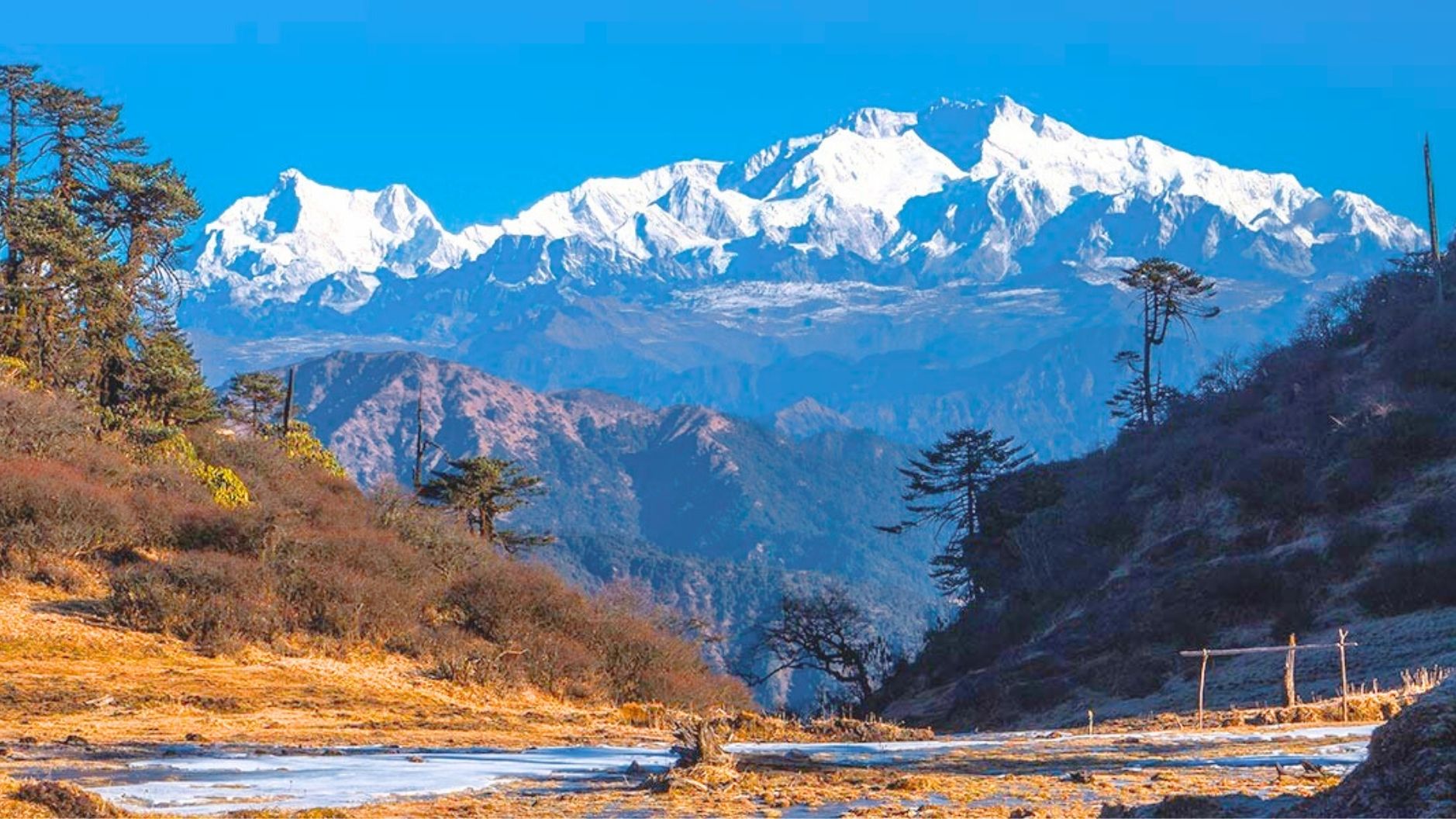
The Kanchenjunga Base Camp Trek is one of Nepal’s most rewarding wilderness adventures, exploring the remote eastern Himalayas around Mount Kanchenjunga (8,586 m), the world’s third-highest mountain. Located along the Nepal–India border, this challenging trek takes you through the spectacular landscapes of the Kanchenjunga Conservation Area, a region known for its untouched natural beauty, diverse wildlife, and rich cultural heritage.
The journey explores both the south and north base camps of Mount Kanchenjunga, offering extraordinary views of towering Himalayan peaks, dramatic glaciers, high-altitude meadows, and deep river valleys. The southern route leads toward Oktang and the Yalung Glacier area, where trekkers can enjoy impressive views of Kanchenjunga’s southwest face. The northern route continues toward Pangpema, the North Base Camp, with breathtaking views of Kanchenjunga and surrounding peaks.
Along the way, the trail passes through lush forests, remote mountain settlements, rhododendron-covered hills, and traditional villages inhabited by the Rai, Limbu, and Sherpa communities. Trekkers can experience local lifestyles, ancient Buddhist traditions, and the warm hospitality of people living in one of Nepal’s least-developed trekking regions.
Crossing the scenic Sele La passes connects the northern and southern sections of the trek, adding another dimension to this demanding Himalayan journey. The combination of high mountain passes, remote trails, diverse ecosystems, and spectacular mountain scenery makes this trek ideal for experienced trekkers seeking solitude and adventure.
The Kanchenjunga Base Camp Trek requires good physical fitness, proper preparation, and a willingness to spend extended periods in remote mountain environments. For those ready to take on the challenge, it offers a remarkable opportunity to discover one of the Himalayas’ most pristine and less-explored regions.
Day | Itinerary | Altitude |
|---|---|---|
Day 1 | Arrive in Kathmandu and transfer to the hotel | 1,350 m |
Day 2 | Trek preparation and Kathmandu Valley sightseeing | 1,350 m |
Day 3 | Fly from Kathmandu to Bhadrapur and drive to Phidim | 1,300 m |
Day 4 | Drive from Phidim to Suketar and trek to Lali Kharka | 2,100 m |
Day 5 | Trek from Lali Kharka to Kande Bhanjyang | 2,050 m |
Day 6 | Trek from Kande Bhanjyang to Mamankhe | 1,700 m |
Day 7 | Trek from Mamankhe to Bhote Gaon (Yamphudin) | 2,100 m |
Day 8 | Trek from Yamphudin via Lamite Bhanjyang to Tortong | 2,850 m |
Day 9 | Trek from Tortong to Tseram | 3,700 m |
Day 10 | Hike to Oktang, the South Base Camp viewpoint of Kangchenjunga, and return to Tseram | 3,870 m |
Day 11 | Trek from Tseram across Sinelapche La and Mirgin La to Sele Le | 4,130 m |
Day 12 | Trek from Sele Le across Sele La to Ghunsa | 3,450 m |
Day 13 | Trek from Ghunsa to Khambachen, with views of Jannu Himal | 4,090 m |
Day 14 | Trek from Khambachen to Lhonak | 4,750 m |
Day 15 | Hike to Kangchenjunga North Base Camp and return to Lhonak | 4,750 m |
Day 16 | Trek from Lhonak to Ghunsa | 3,450 m |
Day 17 | Trek from Ghunsa to Amjilosa | 2,450 m |
Day 18 | Trek from Amjilosa to Sekathum and drive to Taplejung | 1,820 m |
Day 19 | Drive to Ilam and visit Kanyam tea gardens | 1,200 m |
Day 20 | Drive to Bhadrapur and fly to Kathmandu | 1,350 m |
Day 21 | Transfer to the international airport for final departure | — |
After breakfast, drive by private vehicle from Taplejung to Ilam, following a scenic route through the hills and mountain landscapes. The journey includes rough tracks and paved roads as you descend toward Ilam’s beautiful tea-growing region. Continue to Kanyam, famous for its lush green tea plantations, where you will spend the night surrounded by peaceful hillside scenery.
After breakfast, drive from Kanyam to Bhadrapur Airport, passing through the scenic hills and gradually descending into the warm, humid Terai region. Upon arrival at the airport, take a domestic flight to Kathmandu, enjoying aerial views of Nepal’s diverse landscapes. After landing, transfer to your hotel for an overnight stay.
Depending on your international flight schedule, you will have some free time before our representative transfers you to Tribhuvan International Airport. We hope your journey through the Nar Phu Valley and Himlung Himal has given you not only a memorable climb, but also valuable experience in high-altitude Himalayan mountaineering. Thank you for climbing with Alpinist Club, and we wish you a safe journey home.
 Note:
Note:
If you have a private group and prefer a personalized experience, we can organize a custom trip tailored to your requirements and group size, running it any day you choose.
Plan a Private TripThe Kanchenjunga Base Camp Trek is a challenging Himalayan adventure in eastern Nepal. Explore remote villages, pristine forests, glaciers, and stunning mountain scenery. Alpinist Club provides experienced guides, permits, meals, and accommodation to support your journey safely.
Read MoreAt Alpinist Club, your trekking guide plays an essential role in ensuring a safe, enjoyable, and well-organized journey. From coordinating daily activities to managing logistics and monitoring your well-being, your guide will support you throughout the trek.
Our guides are familiar with the Kanchenjunga region, local cultures, mountain conditions, and trekking routes. They will explain the daily itinerary, provide information about the surrounding landscapes, and advise you on walking pace, acclimatization, and safety. Please follow your guide’s instructions, particularly in remote areas and at high altitudes.
Depending on your group size, route, and logistical requirements, your Nepalese trekking team may include:
For groups of four or more trekkers, Alpinist Club may arrange one lead guide, one assistant guide, and two porters, depending on the itinerary and operational requirements. The final team composition will be confirmed before departure.
For tea-house trekking, each participant is generally allowed up to 15 kg of personal luggage carried by porters. Your daypack should contain essential items such as water, snacks, warm clothing, rain protection, personal medication, and valuables.
Please pack efficiently and respect the baggage allowance. Porter arrangements and luggage limits will be confirmed before the trek.
Alpinist Club arranges appropriate insurance and essential equipment for its Nepalese trekking staff in accordance with the requirements of the trip.
During your stay in Kathmandu, you will be accommodated in a comfortable tourist-standard hotel, generally in the Thamel area or nearby. We will select the hotel based on availability and the package arrangements.
Your package includes three nights of twin-sharing hotel accommodation with breakfast, as specified in the itinerary.
A welcome dinner is included in the package. Other lunches and dinners in Kathmandu are generally at your own expense unless specifically stated in the package.
Kathmandu offers a wide range of dining options, including traditional Nepali dishes, international cuisine, and vegetarian meals.
The Kanchenjunga Base Camp Trek passes through a remote part of eastern Nepal, where accommodation is more basic than on popular trekking routes such as Everest and Annapurna.
Most overnight stays are in local tea houses, small lodges, or family-run guesthouses. Facilities vary from village to village and may include twin-sharing rooms, simple beds, communal dining areas, and shared toilets. Private bathrooms and hot showers are not consistently available.
In some locations, facilities may be very basic, particularly at higher elevations and in less-developed settlements. Room availability can also be limited during busy trekking periods.
If your selected itinerary includes camping sections, appropriate tents, cooking arrangements, and support staff must be confirmed in advance. Camping equipment and services should not be assumed to be included unless listed in your package.
During the trek, breakfast, lunch, and dinner are provided according to the package inclusions. Meals are generally prepared by tea-house kitchens, with the menu depending on local availability.
A typical day's meals may include:
Dal bhat, a traditional Nepali meal of rice, lentil soup, and vegetables, is a common and filling option for trekkers.
Please inform Alpinist Club about any dietary restrictions or food allergies before departure. Special dietary requirements may be more difficult to accommodate in remote villages.
Safe hydration is essential throughout the trek. We recommend carrying reusable water bottles and treating water using suitable purification tablets, filters, or other approved methods.
Avoid drinking untreated water from streams and taps. Bottled water may be available in some villages, but availability and prices vary, and disposable plastic contributes to environmental pollution.
Tea, coffee, bottled drinks, and other beverages are included only as specified in your package. Additional drinks and snacks are generally at your own expense.
The Kanchenjunga Base Camp Trek is a challenging, remote, high-altitude trekking adventure suitable for people with good physical fitness and previous experience with multi-day hiking.
The journey typically involves long walking days, steep ascents and descents, uneven trails, suspension bridges, remote settlements, and changing weather conditions. Depending on the itinerary, crossing the Sele La passes adds further physical demands.
Trekkers should be prepared for:
The daily walking duration and elevation gain vary according to the route and overnight stops. Please refer to the detailed itinerary for the planned walking hours, elevations, and distances.
We recommend beginning your physical preparation at least two to three months before departure, or earlier if you are not regularly active.
A suitable training program may include:
If possible, complete several longer hikes on consecutive days to prepare for the demands of multi-day trekking.
Good physical preparation improves comfort and endurance, but it does not eliminate the risk of altitude sickness.
Before travelling, consult your healthcare professional about your fitness for prolonged trekking at high altitude. Discuss your itinerary, maximum sleeping altitude, previous altitude-related problems, existing medical conditions, and any medications you take.
A dental check-up before departure is also sensible because access to dental care is limited in remote mountain areas.
Bring sufficient supplies of any prescribed medication, together with a personal first-aid kit and any necessary medical documentation. Inform your guide of relevant medical concerns that could affect your safety during the trek.
The Kanchenjunga Base Camp Trek reaches high elevations, where altitude sickness can affect anyone, regardless of age or physical fitness.
Symptoms of acute mountain sickness (AMS) may include headache, nausea, dizziness, fatigue, loss of appetite, and difficulty sleeping.
To reduce the risk:
Severe symptoms, including confusion, difficulty walking straight, breathlessness at rest, or a worsening cough, require urgent medical assessment and may necessitate immediate descent and evacuation.
Medication such as acetazolamide (Diamox) may be appropriate for some trekkers, but it should be discussed with a qualified healthcare professional before the trip. No medication completely eliminates the risk of altitude sickness.
Your guide may adjust the pace or itinerary when necessary to protect the group’s health and safety.
The best seasons for the Kanchenjunga Base Camp Trek are generally spring (March–May) and autumn (September–November)
Weather can change quickly in the Himalayas, even during the recommended seasons. Snow, strong winds, rain, and cold temperatures may affect walking conditions and access to high passes.
The final decision to cross a pass or continue along a trail should always consider current weather, trail conditions, and the safety of the group.
Alpinist Club organizes the Kanchenjunga Base Camp Trek for small groups and private parties. Group size depends on the selected departure, availability, and logistical arrangements.
Small groups allow more flexibility, closer communication with the guide, and a more personal experience of local villages and mountain landscapes.
Private departures may be arranged for individuals, couples, families, or groups of friends, subject to permit requirements and the availability of guides and support staff.
The final group size and staff arrangements will be confirmed before departure.
Trekkers are responsible for bringing their personal clothing and trekking equipment. Alpinist Club will provide a detailed packing list before departure and help you prepare for the expected weather and trail conditions.
Essential items generally include:
Sleeping bags and down jackets may be available for rent through Alpinist Club, subject to availability and any applicable rental charges. Please arrange rentals before departure.
Your safety is a priority throughout the Kanchenjunga Base Camp Trek. Our team plans the journey carefully, monitors trekking conditions, and provides guidance on walking pace, acclimatization, and daily safety.
The trek takes place in a remote region where access to medical facilities, roads, and communication networks may be limited. Emergency response can take time, particularly during poor weather.
Depending on the route and availability, communication arrangements may include mobile phones, local networks. The equipment provided will be confirmed for your specific departure.
If a medical emergency occurs, your guide will assess the situation, coordinate appropriate assistance, and arrange descent or evacuation when necessary. Helicopter evacuation depends on weather, visibility, landing conditions, aircraft availability, and operational restrictions.
Personal travel insurance covering high-altitude trekking and emergency helicopter evacuation is mandatory. Trekkers must ensure that their policy covers the maximum altitude and activities included in their itinerary.
Travel insurance is essential for the Kanchenjunga Base Camp Trek. Your policy should specifically cover:
Please check the policy wording carefully. Some standard travel insurance policies exclude high-altitude trekking or helicopter rescue.
Insurance for Nepalese guides and porters is arranged by Alpinist Club as specified in the package, but this does not replace your personal travel insurance.
The Kanchenjunga region is a restricted trekking area, and visitors must comply with the applicable permit and entry requirements.
The required documentation generally includes the Kanchenjunga Restricted Area Permit and Kanchenjunga Conservation Area Permit (KCAP). Permit conditions, authorized routes, and requirements for trekking with a registered agency and licensed guide must be followed.
Alpinist Club will coordinate the required permits according to the confirmed itinerary and current regulations. Please carry your passport and any required travel documents during the trek.
Permit rules and fees can change, so final arrangements will be confirmed before departure.
Mobile coverage, internet access, and electricity are limited and inconsistent in the Kanchenjunga region. Some villages may have charging facilities, while other locations may offer little or no access.
Charging phones, cameras, and power banks may involve an additional fee. We recommend carrying a power bank, spare batteries, and suitable charging equipment.
Do not rely on continuous mobile connectivity during the trek. Inform family or friends that communication may be intermittent, particularly in remote valleys and at higher elevations.
Carry sufficient Nepalese rupees for personal expenses during the trek. ATMs and card-payment facilities are generally unavailable along much of the route.
Personal expenses may include additional drinks, snacks, hot showers, charging fees, internet access, laundry, and tips for the trekking team.
Prices for basic services often increase with elevation because supplies must be transported into remote mountain settlements.
The Kanchenjunga region is valued for its pristine landscapes, biodiversity, and traditional communities. All trekkers are encouraged to travel responsibly and respect the natural environment.
Please follow these guidelines:
Responsible trekking helps protect the region’s environment and supports the communities that welcome visitors.
Before departure, your Alpinist Club team will review the itinerary, accommodation arrangements, permits, packing list, baggage allowance, and transportation schedule with you.
You will have an opportunity to ask questions and discuss any dietary requirements, medical concerns, or equipment needs.
The guide will also explain the daily routine, expected walking conditions, safety procedures, and the importance of following the planned acclimatization schedule.
The Kanchenjunga Base Camp Trek is an adventure in a remote mountain region, and conditions may change unexpectedly. Weather, trail conditions, illness, landslides, flight disruptions, or other unforeseen circumstances can affect the planned itinerary.
Your guide may recommend changes to the walking schedule, overnight stops, or route when necessary for safety. Alpinist Club will make reasonable efforts to maintain the planned itinerary, but reaching every destination cannot be guaranteed.
Additional accommodation, meals, transportation, or evacuation expenses arising from unforeseen circumstances may be payable by the trekker unless covered by the package or insurance policy.
The Kanchenjunga Base Camp Trek offers a remarkable opportunity to explore one of Nepal’s most remote Himalayan regions and visit the spectacular northern and southern approaches to Mount Kanchenjunga.
With appropriate physical preparation, suitable equipment, realistic expectations, and respect for the mountains, you can enjoy a rewarding and memorable trekking experience.
Alpinist Club will assist with the necessary preparations, explain the practical arrangements, and help you understand what to expect before setting off on your Himalayan adventure.
Less More


The Kanchenjunga Base Camp Trek is challenging and requires good physical fitness, endurance, and preparation for long walking days and high-altitude conditions.
The trek typically takes around 18–24 days, depending on the itinerary, acclimatization schedule, and whether you visit both North and South Base Camps.
Spring (March to May) and autumn (September to November) are generally the best seasons, offering favorable trekking conditions and excellent mountain views.
Pangpema, the North Base Camp viewpoint, is approximately 5,143 m above sea level. The maximum altitude depends on the selected route and itinerary.
Yes. A combined itinerary visits both North and South Base Camp areas, offering diverse landscapes, glacier views, and spectacular perspectives of Mount Kanchenjunga.
Yes. Trekkers generally require a Kanchenjunga Restricted Area Permit and a Kanchenjunga Conservation Area Permit (KCAP). Alpinist Club can arrange the applicable permits.
Yes. The Kanchenjunga region is a restricted trekking area with specific guide and agency requirements. Trekking with an authorized agency and licensed guide is essential.
You should be comfortable hiking for several hours a day over consecutive days. Regular cardio training, uphill walking, strength exercises, and previous trekking experience are recommended.
Accommodation is mainly in local tea houses and basic mountain lodges. Facilities are simple, and shared bathrooms are common. Some itineraries may require camping.
Typical meals include dal bhat, rice, noodles, soups, potatoes, eggs, bread, and pancakes. Food choices become more limited in remote villages.
Yes. The trek reaches high elevations where altitude sickness can occur. Proper acclimatization, gradual ascent, and following your guide’s advice are essential.
Yes. Comprehensive travel insurance covering high-altitude trekking, emergency medical treatment, and helicopter evacuation is strongly necessary and may be mandatory under your booking requirements.
The cost depends on the itinerary, group size, permits, accommodation, transportation, and services included. Contact Alpinist Club for a detailed quotation.
It is generally better suited to trekkers with previous multi-day hiking experience. Beginners should have excellent physical preparation and carefully consider the trek’s remoteness and altitude.
Alpinist Club provides trekking arrangements, experienced guides, permit assistance, and logistical support to help you explore the remote Kanchenjunga region with careful planning and attention to safety.
