Max. Elevation








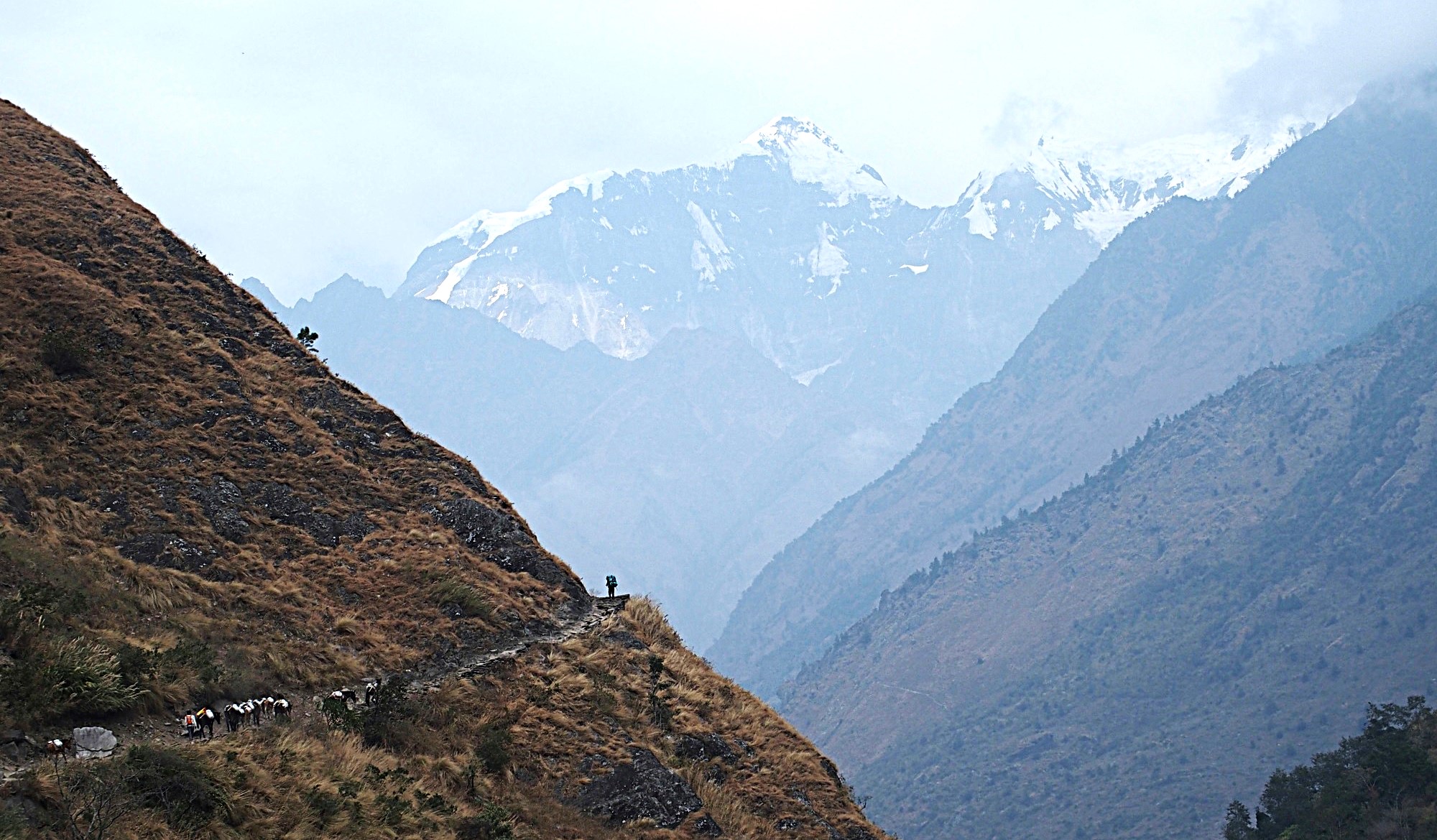
We take the Private Jeep to Barpak, via a road along the Trisuli River with beautiful views of the Gorkha Himalayan range. Then, we continue in the Daraundi Khola valley to Baluwa. After Baluwa, the road is off-road up to Barpak. It has a beautiful view of Bouddha Himal, culminating at 6672 m.
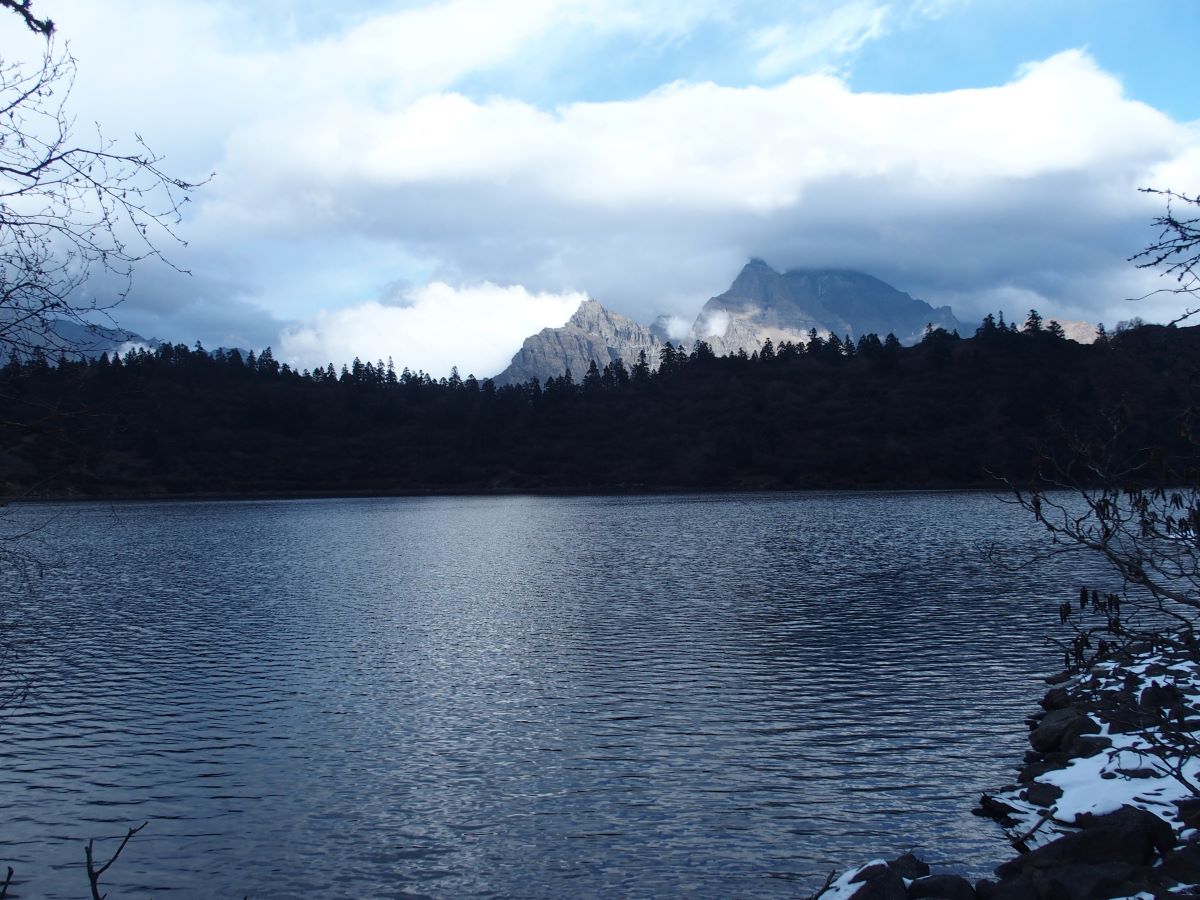
We hike to Kal Tal at 3,600 meters, passing through alpine forests and rugged terrain. Enjoy the stunning views and the serene beauty of the high-altitude.
8hrs of walking
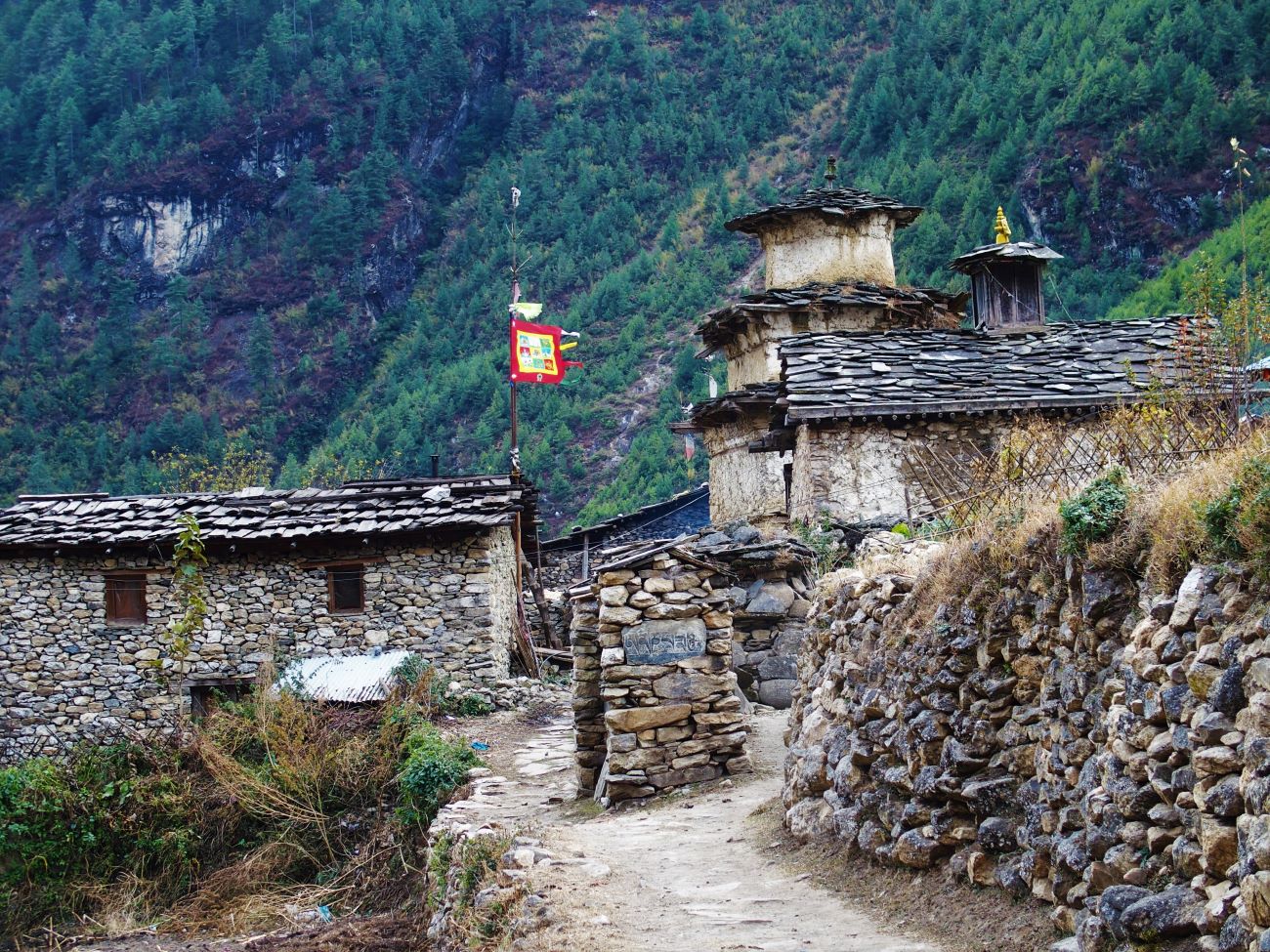
The trek from Surki Khola to Nache Village takes you through lush forests and scenic landscapes. Enjoy the peaceful trails leading to this charming village at 2,200 m.
 Note:
If you have a private group and prefer a personalized experience, we can organize a custom trip tailored to your requirements and group size, running it any day you choose.
Plan a Private TripThe Manaslu Base Camp Trek via Laprak and Pork Village combines breathtaking Himalayan scenery, traditional Gurung villages, and rich Tibetan Buddhist culture. Enjoy remote mountain trails, local teahouse accommodation, and authentic village experiences. Good physical fitness and proper acclimatization are essential. Spring (March–May) and autumn (September–November) are generally the best seasons for this trek.
Read MoreAt Alpinist Club, our experienced trekking guides and support team are committed to making your Manaslu trek safe, comfortable, and memorable. From your arrival in Kathmandu until your departure, your guide coordinates the team, manages the itinerary, and helps you throughout the journey.
Your guide is responsible for group safety, particularly at high altitudes and during challenging sections of the trail. Please follow the guide's instructions, respect their leadership, and communicate any concerns about your health or comfort. The guide may adjust the itinerary when necessary due to weather, trail conditions, or safety considerations.
Depending on the group size and trekking arrangements, your team may include the following members:
The standard maximum luggage allowance per trekker depends on the type of trip: Lodge (Teahouse) Trek: Up to 20 kg per person.
During your stay in Kathmandu, you will be accommodated in a comfortable hotel, depending on availability and your selected package. Our preferred options include Hotel Himalayan Suite and Sampada Garden. Both offer comfortable rooms with private bathrooms, Wi-Fi, and breakfast facilities.
During the Manaslu Base Camp Trek via Laprak and Pork Village, accommodation depends on the route and available facilities. You will generally stay in local teahouses, mountain lodges, or community homestays. Rooms are usually basic, with twin-sharing arrangements and limited facilities in remote villages.
Meals are generally served at teahouses and local lodges. Typical options include traditional Nepali dal bhat, rice, noodles, potatoes, soups, eggs, Tibetan bread, and pancakes. Food choices may become more limited in remote areas and at higher elevations.
Please check your package inclusions to confirm which meals are covered. Additional snacks, drinks, and beverages may cost extra.
The Manaslu Base Camp Trek via Laprak and Pork Village is a moderately challenging to challenging trek, depending on the final itinerary. Expect several hours of walking each day over uneven trails, stone steps, forest paths, village tracks, and mountain terrain.
Good physical fitness, stamina, and preparation are essential. Previous trekking experience is helpful, particularly if your itinerary includes high-altitude sections or Larkya La Pass.
We recommend starting your physical preparation two to three months before departure. Regular hiking, uphill walking, cycling, jogging, and strength training can help improve your endurance.
Practise walking for several hours with a light daypack and suitable trekking shoes. Bring layered clothing, waterproof outerwear, warm gloves, a hat, comfortable trekking trousers, and other essential equipment appropriate for the season and altitude.
Before departure, consult your healthcare professional about your fitness for high-altitude trekking. Discuss your itinerary, maximum elevation, and any existing medical conditions.
A dental check-up is also advisable before travelling to remote mountain areas. Carry any prescribed medication you need and inform your guide if you experience health problems during the trek.
If your itinerary reaches higher elevations, altitude sickness is an important consideration. Symptoms may include headaches, nausea, dizziness, fatigue, and loss of appetite.
To reduce the risk, follow a gradual ascent, allow sufficient time for acclimatization, stay hydrated, and inform your guide immediately if you feel unwell. Never continue ascending when experiencing symptoms of altitude sickness. Severe or worsening symptoms require immediate medical assessment and descent when appropriate.
Best Time for the Trek
Conditions vary each year, so the best departure dates depend on the specific route and current weather.
At Alpinist Club, we prioritize your safety throughout the journey. Our trekking arrangements include route planning, guidance from experienced local staff, and attention to weather and trail conditions. Trekkers should follow their guide's instructions, carry suitable clothing and equipment, and report any health concerns promptly. If conditions become unsafe, your guide may adjust the itinerary to protect the group. For remote sections, communication and emergency evacuation options depend on the route, weather, and local facilities.
We encourage responsible travel throughout the Manaslu region. Respect local customs, Buddhist monasteries, religious sites, and village traditions. Ask permission before photographing local people, avoid disturbing wildlife, and carry reusable water bottles to reduce plastic waste.
Supporting local lodges, homestays, and small businesses also helps contribute to the livelihoods of mountain communities.
Less More