Annapurna IV Expedition – A True Himalayan Climbing Adventure
Annapurna IV Expedition – A True Himalayan Climbing Adventure
Discover the challenge of climbing Annapurna IV (7,525 m), one of Nepal's remarkable Himalayan peaks. With spectacular mountain scenery, remote landscapes, glacier travel, and the rewards of high-altitude mountaineering, this expedition is an exciting opportunity for experienced climbers ready to take their next step in the Himalayas.
Located in the Annapurna region of central Nepal, Annapurna IV offers a demanding mountaineering experience away from the atmosphere of more commercial climbing destinations. The expedition combines physical endurance, technical climbing, careful acclimatization, and teamwork in a spectacular mountain environment.
At Alpinist Club Pvt. Ltd., we organize Himalayan expeditions with a focus on professional preparation, experienced climbing support, and responsible mountain practices. Whether you are planning your next major climbing objective or building experience for a future 8,000-meter expedition, our team can help you prepare for the journey.
Why Choose Annapurna IV?
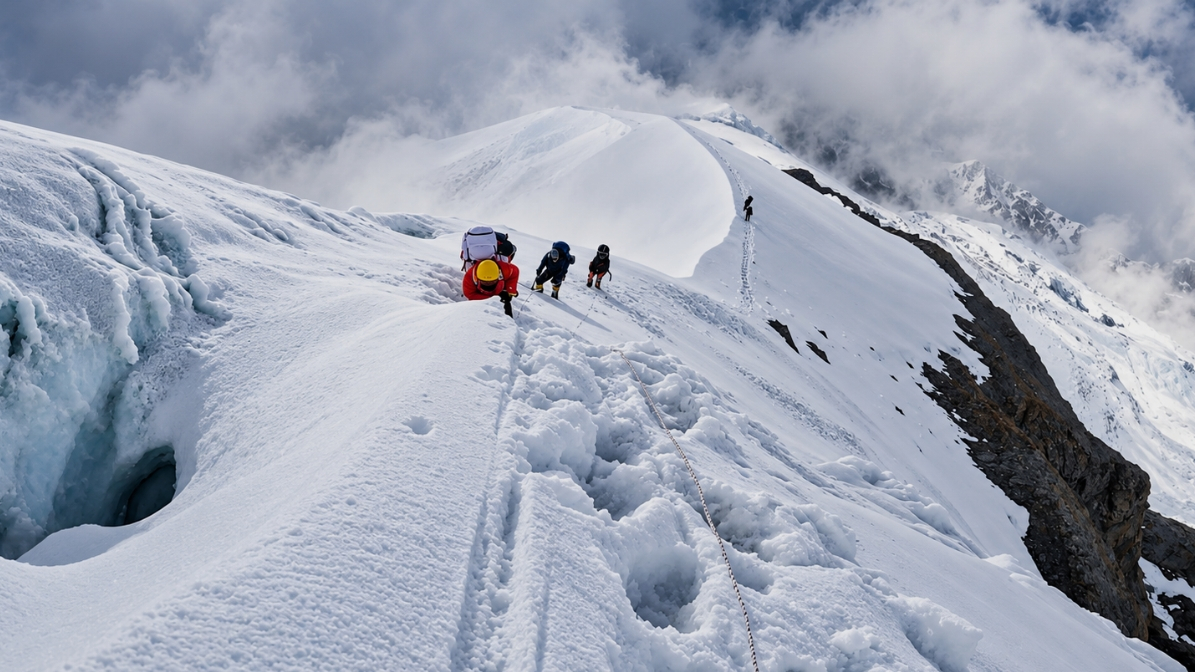
Annapurna IV is an attractive objective for mountaineers who have already climbed 6,000-meter peaks and want to experience a more demanding high-altitude expedition.
Unlike a short trekking peak climb, an expedition to Annapurna IV requires several weeks of preparation, acclimatization, camp rotations, and careful decision-making. Climbers must be prepared to adapt to changing weather, challenging terrain, and the physical demands of spending extended periods at high altitude.
The mountain offers much more than a summit attempt. Throughout the expedition, climbers experience remote Himalayan landscapes, impressive glaciers, towering neighboring peaks, and the unique atmosphere of life at a high-altitude base camp.
Annapurna IV is particularly suitable for experienced mountaineers who want to strengthen their expedition skills before considering higher Himalayan objectives. However, it should not be treated as an easy stepping stone: climbing a 7,000-meter peak requires serious preparation, sound judgment, and appropriate technical experience.
The Journey to Annapurna IV Base Camp
The adventure begins in Kathmandu, Nepal's lively capital. Before leaving for the mountains, the expedition team completes the necessary documentation, checks climbing equipment, reviews the itinerary, and discusses the expedition plan.
From Kathmandu, the team travels toward the Annapurna region before continuing along the approach route to Annapurna IV Base Camp. The exact transportation arrangements and trekking route depend on the approved expedition itinerary and current local conditions.
As the journey progresses, the scenery changes from busy settlements and cultivated hillsides to quieter valleys and dramatic mountain landscapes. The approach provides an opportunity to experience the region's natural beauty while gradually preparing for life at higher elevations.
Reaching Base Camp marks an important milestone. Here, the team establishes its temporary home for the expedition, with accommodation, dining facilities, food supplies, communication arrangements, and essential climbing equipment according to the expedition package.
Base Camp also serves as the central point for acclimatization, route planning, equipment preparation, and coordination with the climbing team.
Acclimatization and High-Camp Rotations
Proper acclimatization is essential when climbing Annapurna IV. At high altitude, the body receives less oxygen, making physical activity increasingly demanding. Moving too high too quickly can increase the risk of altitude-related illness.
For this reason, the expedition follows an acclimatization plan based on the route, altitude profile, weather, and condition of the climbing team.
Climbers gradually ascend to higher elevations, return to lower camps to recover when appropriate, and repeat the process as part of their preparation. Several camps may be established above Base Camp, depending on the route and prevailing mountain conditions.
These rotations help climbers adapt to the altitude while becoming familiar with the climbing terrain. They also provide opportunities to practice using fixed ropes, crampons, harnesses, ascenders, and other essential mountaineering equipment.
Rest and recovery are equally important. Proper nutrition, hydration, sleep, and regular health assessments help climbers prepare for the physical demands of the summit attempt.
The schedule is not fixed regardless of conditions. The expedition leader may adjust the plan to account for weather, snow stability, acclimatization, and the health of individual climbers.
Climbing Annapurna IV: The Challenge Above Base Camp
The upper mountain presents a serious high-altitude challenge. Depending on the chosen route and conditions, climbers may encounter glacier travel, steep snow slopes, exposed sections, and technically demanding terrain.
At these elevations, even familiar tasks require more energy. Cold temperatures, reduced oxygen levels, heavy equipment, and prolonged climbing days make endurance and efficient movement especially important.
Our expedition team coordinates climbing logistics, camp establishment, route preparation, and technical support according to the agreed package and prevailing conditions. Experienced climbing Sherpas and expedition leaders help manage the practical demands of the ascent while supporting climbers throughout the journey.
As the team progresses toward higher camps, patience and teamwork become increasingly important. Weather forecasts, snow conditions, route safety, and the physical condition of the climbers all influence the decision to move higher.
The summit attempt takes place only when the expedition leader considers the conditions and team readiness suitable. Flexibility is essential because waiting for a safe climbing window is often part of a successful Himalayan expedition.
Summit Day: Reaching 7,525 Meters
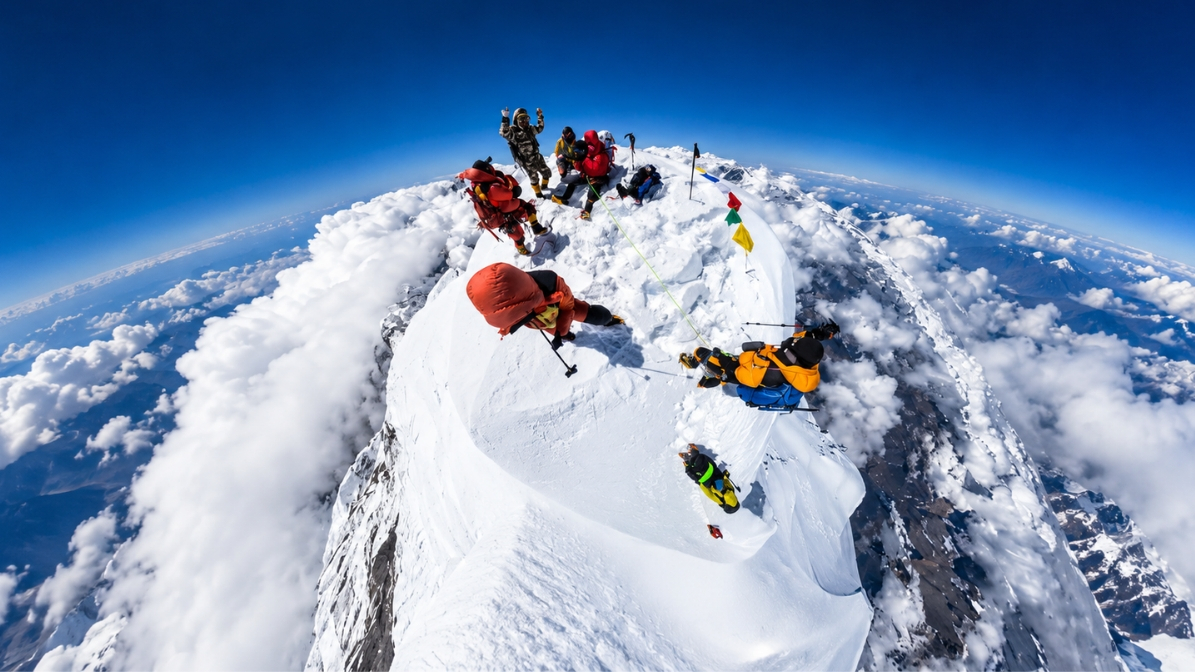
Summit day is the moment many climbers work toward throughout the expedition. It usually begins during the night or in the early hours of the morning, depending on the route, weather, and climbing plan.
Equipped with appropriate high-altitude clothing and technical gear, the team begins its ascent at a controlled pace. At this altitude, conserving energy, maintaining concentration, and following the climbing team's instructions are vital.
As daylight spreads across the Annapurna Himalaya, climbers may experience extraordinary views of the surrounding peaks and glaciers. Every section of the climb demands patience, and progress can be slow in the thin mountain air.
Reaching the 7,525-meter summit of Annapurna IV would be a remarkable achievement, representing weeks of preparation, acclimatization, teamwork, and determination.
However, reaching the top is only part of the challenge. The descent requires equal care, as fatigue, changing weather, and deteriorating snow conditions can make the return journey demanding.
At Alpinist Club, we believe that a successful expedition is not measured by the summit alone. Returning safely is always the priority.
Summit success cannot be guaranteed, and the final decision to proceed depends on actual mountain conditions and the safety of the team.
Who Can Join the Annapurna IV Expedition?
The Annapurna IV Expedition is intended for experienced mountaineers who are physically and mentally prepared for the demands of climbing a 7,000-meter Himalayan peak.
Before joining, climbers should ideally have:
- Previous high-altitude experience: Experience climbing 6,000-meter peaks and spending extended periods at altitude.
- Excellent physical fitness: Strong cardiovascular endurance, leg strength, and the ability to sustain demanding climbing days.
- Technical mountaineering skills: Experience using crampons, an ice axe, a climbing harness, and an ascender.
- Snow and glacier experience: Familiarity with glacier travel, rope systems, and movement on steep snow or ice.
- Mental resilience: Patience, sound judgment, and the ability to cope with cold, fatigue, and changing conditions.
- Teamwork: A willingness to cooperate with climbing partners, Sherpas, and expedition leaders.
Previous Himalayan expedition experience is highly recommended. The precise experience and technical skills required should be assessed against the proposed route and climbing plan.
If you are unsure whether Annapurna IV is suitable for your experience level, contact our team. We can discuss your previous climbs, current fitness, technical skills, and future mountaineering goals before you commit to the expedition.
Best Season for Annapurna IV
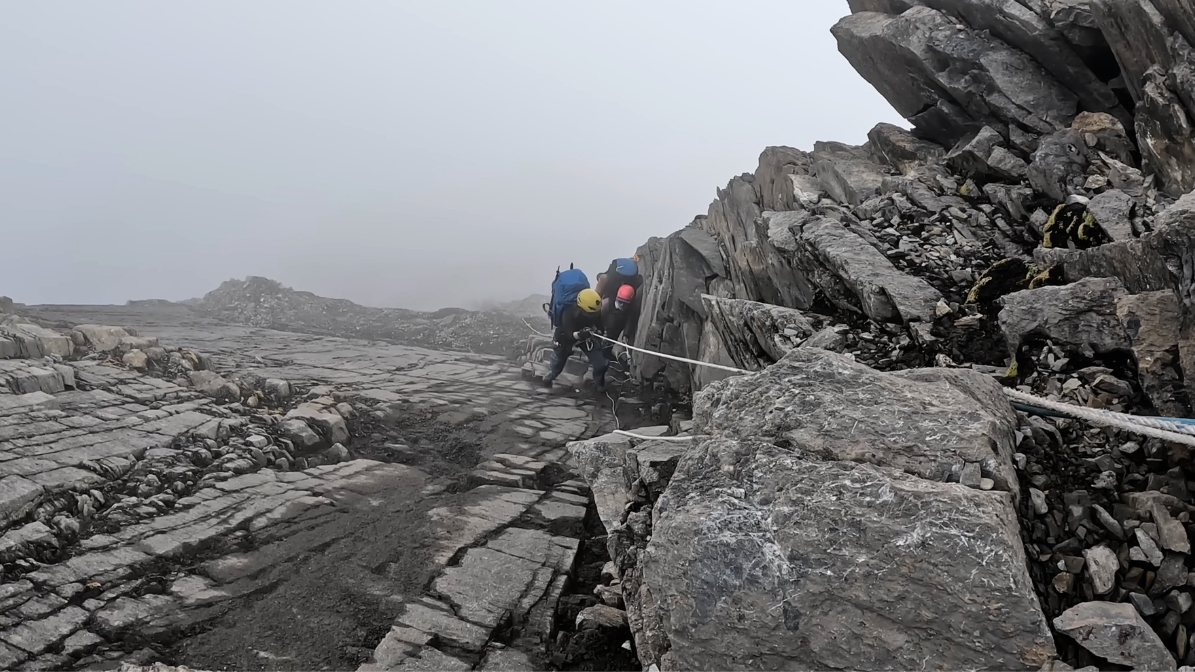
Choosing the right season is an important part of expedition planning. Spring and autumn are commonly considered the main climbing seasons for many Himalayan peaks, although the best window for Annapurna IV depends on the route, weather patterns, and current mountain conditions.
Spring: April–May
Spring can provide favorable opportunities for high-altitude climbing as conditions develop after winter. Temperatures, snow conditions, and weather windows vary throughout the season, so the climbing schedule must remain flexible.
Autumn: September–October
Autumn can offer clear skies and excellent mountain visibility, particularly during suitable weather periods. However, conditions can change quickly, and colder temperatures become increasingly important at higher elevations.
November may also be considered for some expeditions, depending on the mountain conditions and route.
The best departure dates should be confirmed with the expedition team before booking. Our team can help you assess suitable dates and prepare for the conditions expected during your planned climb.
Safety and Responsible Mountaineering
Climbing Annapurna IV involves significant objective and environmental risks. These may include altitude sickness, extreme cold, avalanches, falling ice or rocks, glacier hazards, difficult weather, exhaustion, and technical climbing accidents.
Careful preparation and experienced support are essential, but no expedition team can eliminate every mountain risk.
At Alpinist Club, expedition planning focuses on appropriate acclimatization, equipment preparation, communication, route assessment, weather monitoring, and coordination of emergency procedures.
Climbers are expected to follow the expedition leader's instructions, communicate health concerns promptly, and respect decisions to delay or abandon a summit attempt when conditions are unsafe.
Travel and rescue insurance appropriate for high-altitude mountaineering should be arranged before departure. Climbers should also discuss medical fitness and altitude-related risks with a qualified healthcare professional before joining the expedition.
Responsible mountaineering means respecting the mountain, supporting fellow climbers, and making safety the priority throughout the journey.
Annapurna IV Expedition with Alpinist Club
Planning a high-altitude expedition involves much more than reaching the mountain. Permits, transportation, accommodation, food supplies, climbing equipment, staffing, and high-camp logistics must be carefully coordinated.
Alpinist Club Pvt. Ltd. helps climbers organize their Annapurna IV expedition, from initial planning in Kathmandu to the climbing phase and return from the mountains.
Depending on the selected package, expedition services may include:
Expedition permit arrangements and required documentation
Airport transfers and Kathmandu accommodation
Transportation to and from the expedition region
Base Camp accommodation and meals
Experienced expedition leadership and climbing Sherpas
High-altitude camp establishment and support
Group climbing equipment, where specified
Route preparation and fixed-rope support, where appropriate
Communication arrangements and weather coordination
Emergency planning and logistical coordination
Expedition equipment and baggage transport, according to the package
The exact services, staffing arrangements, equipment provisions, and costs will be explained in your individual expedition proposal. This helps you understand what is included and prepare for any additional personal expenses.
Our aim is to provide a well-organized expedition so you can focus on physical preparation, acclimatization, teamwork, and the climbing experience.
More Than a Summit: The Experience of Annapurna IV
Annapurna IV is a mountain that demands commitment. The expedition may involve freezing mornings, long climbing days, difficult terrain, and periods of waiting for suitable weather.
Yet these challenges are also part of what makes a Himalayan expedition memorable.
Life at Base Camp brings climbers together through shared preparation, equipment checks, meals, and conversations about the challenges ahead. Each rotation offers another opportunity to learn, adapt, and become more familiar with the mountain.
The experience extends beyond the summit. The surrounding landscapes, the discipline required at altitude, the support of the climbing team, and the satisfaction of overcoming difficult sections all contribute to the journey.
For experienced mountaineers seeking a serious Himalayan objective, Annapurna IV offers an opportunity to test their abilities, deepen their expedition experience, and pursue a demanding climbing goal in Nepal.
Book Your Annapurna IV Expedition
Ready to take on Annapurna IV (7,525 m)?
If you are planning your next major Himalayan climb, the team at Alpinist Club Pvt. Ltd. is ready to help you explore the possibilities.
Contact us to discuss:
- Available expedition dates and itinerary
- Expedition costs and package inclusions
- Climbing permits and documentation
- Required mountaineering experience
- Equipment and training recommendations
- Base Camp and high-altitude support
- Preparation for your next Himalayan objective
Tell us about your previous climbing experience, preferred departure dates, and expedition goals. Our team can help you understand the requirements and develop a plan suited to your needs.
Adventure. Explore. Climb. Challenge. Take the next step toward your Himalayan goal with Alpinist Club.
Contact Alpinist Club today to request your Annapurna IV expedition itinerary and personalized quotation.